Articles for category: Animals

DannyPalmer

Native British Horse Breeds: Types, Traits and Uses

From the wind-beaten Shetland Islands to the wooded New Forest, Britain’s native horses and ponies tell a story of landscape, labour and local breeding traditions. Some are compact, sure-footed companions; others are powerful horses once essential to farming and transport. Understanding native British horse breeds means looking beyond size and colour to the jobs and ...


DannyPalmer

shark reproduction

Shark Reproduction: Eggs, Live Birth and Mating Strategies

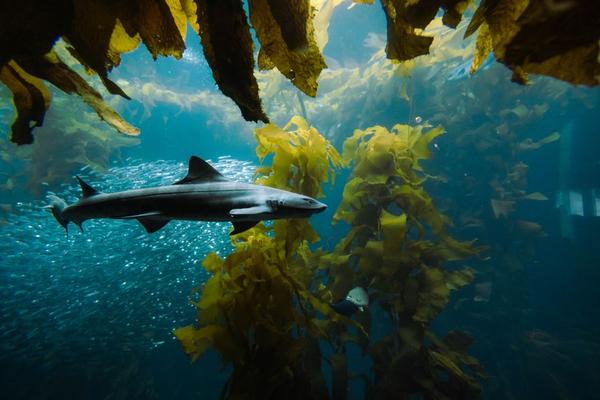
Sharks do not all enter the world the same way. Some emerge from leathery egg cases on the seafloor; others are born swimming after developing inside their mothers. A few species even nourish embryos through a placental connection. Understanding shark reproduction means following a journey from mating and fertilization to a pup’s vulnerable first months. ...

DannyPalmer

dolphin echolocation

Dolphin Echolocation: How Dolphins Use Sound to Navigate and Hunt

A dolphin chasing fish through cloudy seawater cannot always rely on sight. Yet it can track a fast-moving target, judge its position and close the distance with remarkable precision. Much of that ability comes from dolphin echolocation: a biological sonar system that turns outgoing sounds and returning echoes into information about the surroundings. It is ...

DannyPalmer

ocean zones and animals

Ocean Zones and Animals: Life From the Surface to the Deep Sea

A sea turtle surfacing for air and a snailfish living in a deep trench belong to the same ocean, but they experience remarkably different worlds. Sunlight, temperature, pressure and food supply change with depth, shaping which animals can survive. Understanding ocean zones and animals provides a useful map of marine life: it explains why tuna ...

DannyPalmer

jellyfish in uk waters

Jellyfish in UK Waters: Common Species, Blooms and Sting Facts

Spotting jellyfish in UK waters can turn an ordinary beach walk into a wildlife encounter. One day the sea looks empty; the next, translucent bells drift in the shallows or lie scattered along the tideline. Most are fascinating rather than dangerous, but identifying them before you get close matters, especially when children are exploring rock ...

DannyPalmer

basking sharks uk

Basking Sharks in the UK: Habitat, Feeding and Seasonal Movements

On a calm summer day off Britain’s western coast, a dark triangular fin may cut steadily through the water. Then another fin appears, followed by an enormous open mouth. This is a basking shark, one of the most remarkable seasonal visitors to UK seas. Despite its intimidating size, it is not hunting fish or seals. ...

DannyPalmer

dolphins in uk waters

Dolphins in UK Waters: Species, Habitats and Coastal Behaviour

A dark fin breaking the surface off a Welsh harbour or a quick leap beyond a Scottish headland can be a dolphin encounter, not a sight reserved for warmer seas. Dolphins in UK waters are varied: some live in recognisable coastal communities, while others travel through deeper offshore habitats. Knowing which species to expect, and ...

DannyPalmer

wasp species uk

Wasp Species in the UK: Social and Solitary Types

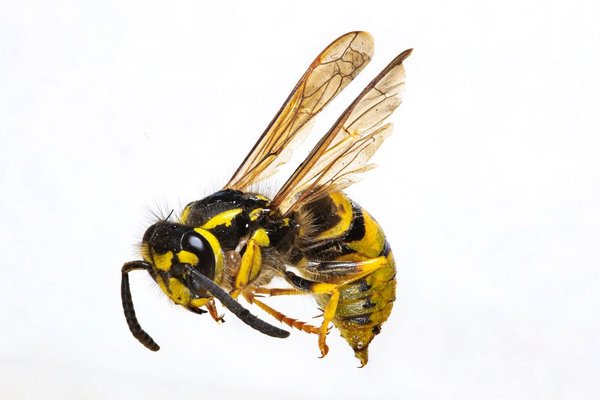
Spot a yellow-and-black insect at a picnic and you might call it a wasp without a second thought. Yet wasp species in the UK are far more varied than the familiar summer visitors. Some raise colonies in papery nests; others work alone, hunting flies or spiders for their young. The quickest route to identification is ...

DannyPalmer

ladybird life cycle

Ladybird Life Cycle: Egg, Larva, Pupa and Adult

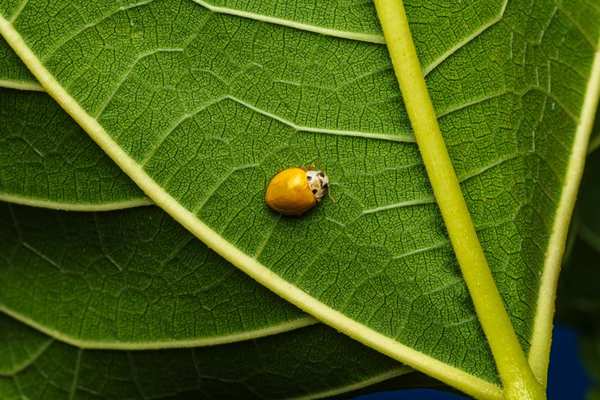
A red, spotted beetle is easy to recognise. Its young are another story. Before a ladybird develops its rounded wings and familiar markings, it looks like a tiny, spiky crawler that many gardeners mistake for a pest. Understanding the ladybird life cycle makes those surprising changes easier to spot—and helps explain why these insects are ...

DannyPalmer

spider web types

Spider Web Types and What Each Web Is Used For

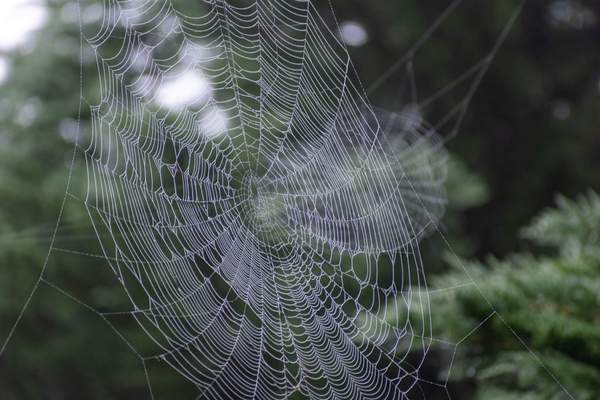
Look closely at a spider web and its shape often tells you how the spider hunts. A neat wheel between branches intercepts flying insects. A silken sheet across grass works like a landing platform. A ragged-looking tangle in a shed can be an effective trap rather than a failed attempt at weaving. Different spider web ...