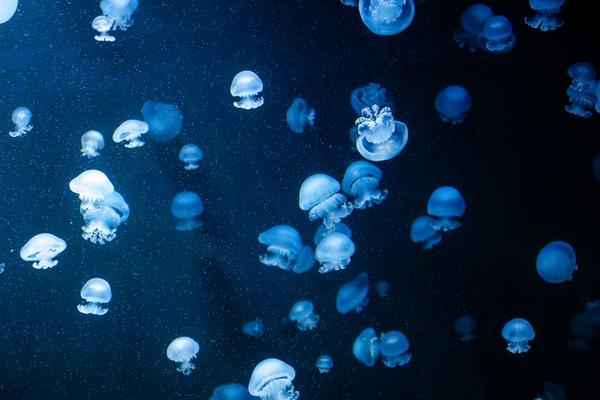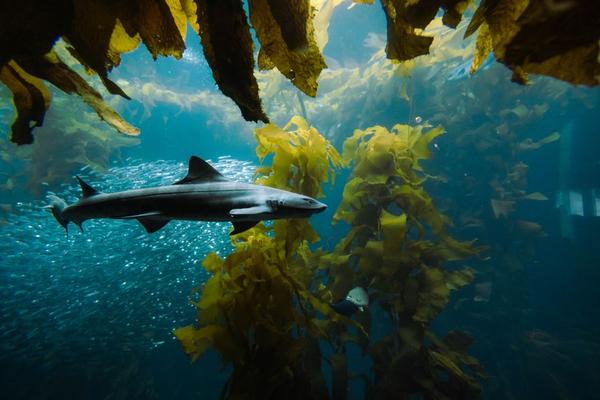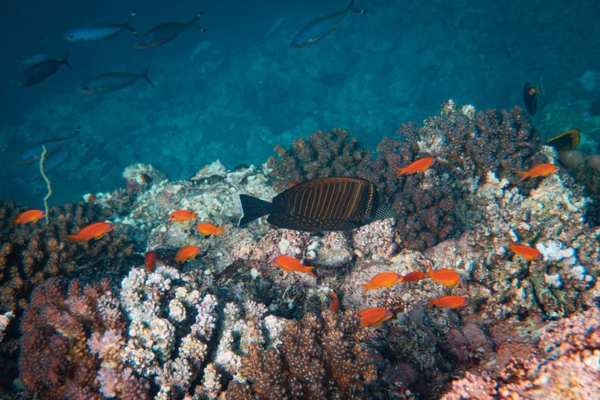
A sea turtle surfacing for air and a snailfish living in a deep trench belong to the same ocean, but they experience remarkably different worlds. Sunlight, temperature, pressure and food supply change with depth, shaping which animals can survive. Understanding ocean zones and animals provides a useful map of marine life: it explains why tuna cruise near the surface, lanternfish gather in dim midwater and scavengers thrive far below.
Scientists divide the open-water ocean into five main pelagic zones. Their boundaries are useful guides rather than walls; many animals cross between layers, and local conditions differ.
How Are the Ocean’s Layers Divided?
The five commonly used ocean layers are the epipelagic (surface to about 200 metres), mesopelagic (200–1,000 metres), bathypelagic (1,000–4,000 metres), abyssopelagic (4,000–6,000 metres) and hadalpelagic (below 6,000 metres, mainly in trenches). These depths describe the water column, not every habitat on the seafloor.
Light is the biggest dividing line. Photosynthesis is largely confined to the sunlit upper layer. Below that, food often arrives from above as sinking organic particles, prey or occasional animal carcasses. Pressure also increases by roughly one atmosphere with every 10 metres of depth. The names help us understand a progression of challenges, not five completely isolated ecosystems.
Animals in the Five Ocean Zones
Epipelagic Zone: Sunlight and Busy Food Webs (0–200 Metres)
Most ocean photosynthesis takes place here. Microscopic phytoplankton use sunlight to grow, supporting zooplankton, small fish and larger predators. Sardines and anchovies feed in productive surface waters, while tuna, sharks and dolphins hunt across extensive areas. Sea turtles also travel through this zone, although they must return to the surface to breathe.
Conditions are not identical everywhere. Nutrient-rich upwelling areas can support dense feeding grounds, while clear tropical offshore water may contain fewer nutrients. Coral reefs belong to shallow coastal marine habitats rather than the open-ocean water column, even though they also depend heavily on sunlight. This distinction becomes useful when exploring phytoplankton and marine food webs.
Mesopelagic Zone: The Twilight Layer (200–1,000 Metres)
In the twilight zone, sunlight becomes too weak for meaningful photosynthesis, but a little may remain visible. Lanternfish, bristlemouths and hatchetfish are familiar examples of midwater residents. Many have light-producing organs, sensitive eyes or dark bodies that make them harder to spot against the gloom.
Some species use counterillumination: glowing patches beneath the body help conceal their silhouette from predators looking upward. Others rely on huge mouths, sharp teeth or careful energy use. Life is not motionless here. Vast numbers of small animals rise towards shallower water after sunset to feed, then descend before daylight exposes them.
Bathypelagic Zone: The Midnight Ocean (1,000–4,000 Metres)
Beyond about 1,000 metres, sunlight no longer reaches the water. The bathypelagic zone is cold and permanently dark, and food generally becomes scarcer. Certain deep-sea anglerfish attract prey with a luminous lure. Gulper eels have expandable mouths that help them capture infrequent meals, while some dragonfish detect tiny points of biological light.
Bioluminescence is not merely decoration. Depending on the species, it may attract food, confuse predators or help individuals find one another. Many animals here move slowly or have bodies adapted to high pressure and limited energy. The remarkable hunting strategies of deep-sea anglerfish illustrate how different this habitat is from the surface.
Abyssopelagic Zone: Life Above the Abyssal Plain (4,000–6,000 Metres)
This layer lies above some of the deepest broad seafloor plains. In its dark open water, animal encounters are relatively sparse compared with shallower productive regions. Deep-sea fishes and gelatinous animals may occur, while sinking particles continue to carry energy downward.
On the abyssal seafloor itself, sea cucumbers, brittle stars, worms and crustaceans search through sediment or collect falling material. That bottom-dwelling community is called benthic, not pelagic. Both groups occupy similar depths but use different parts of the habitat, an important distinction when comparing deep ocean zones.
Hadalpelagic Zone: The Deepest Trenches (Below 6,000 Metres)
Hadal waters occur chiefly inside narrow ocean trenches, where pressure is immense. Specialised amphipod crustaceans inhabit trench environments, and certain snailfish species have been observed at extraordinary depths. Not every fish can live at the deepest trench floor; the deepest ecosystems also support invertebrates and microbes.
These organisms survive through cellular and physiological adaptations rather than simply being tougher versions of surface animals. Food may arrive as sinking debris or move along trench slopes. Since exploration is technically difficult, scientists are still discovering how hadal communities differ from one trench to another.
Animals Do Not Always Stay in One Layer
Imagine following a lanternfish over 24 hours. During daylight, it may remain hundreds of metres below the surface, where dim light offers protection. After dark, it can rise to feed on plankton closer to the surface. By morning, it descends again. This daily vertical migration connects habitats that look separate on a diagram.
Whales, squid and predatory fishes also cross depth boundaries while hunting. The exact range varies enormously by species. A zone chart therefore tells you the environmental conditions an animal encounters, not necessarily its permanent address.
Open Water Versus the Seafloor
The pelagic zones describe open water. Benthic habitats describe the bottom, from continental shelves to abyssal plains and trenches. A hydrothermal vent on the seafloor is particularly different: microbes use chemical energy to build food webs that can support tube worms and other animals without sunlight. Life around deep-sea hydrothermal vents shows why depth alone cannot tell the whole story.
To identify an unfamiliar marine animal, ask two questions: how deep does it live, and does it swim through the water or stay near the bottom? That simple check prevents confusion between animals inhabiting the same depth but very different surroundings.
Frequently Asked Questions
What are the five main ocean zones?
They are the epipelagic, mesopelagic, bathypelagic, abyssopelagic and hadalpelagic zones, running from the sunlit surface to waters deeper than 6,000 metres.
Which ocean zone has the most animals?
The sunlit epipelagic zone generally has the greatest concentration of marine life because photosynthesis supplies the base of many ocean food webs. Distribution still varies with season, nutrients and location.
Do any animals live where sunlight never reaches?
Yes. Anglerfish, deep-sea crustaceans, sea cucumbers and many other organisms live in darkness. They depend on sinking food, predation or, in certain seafloor ecosystems, food produced through chemosynthesis.
Is the deepest ocean zone completely unexplored?
No. Researchers have sampled trenches and filmed living organisms there, but the hadal environment remains far less studied than surface waters.
From Surface Waters to the Deep Sea
Ocean zones reveal a changing set of opportunities and limits. Sunlight supports productive surface habitats; dim midwater encourages camouflage and migration; deep darkness rewards efficient feeding and specialised biology. The layers are connected by moving animals and sinking nutrients, making the ocean one linked ecosystem rather than a stack of separate worlds.