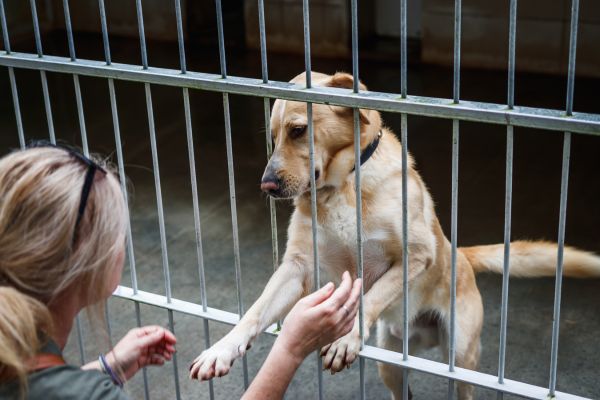
Animal shelters are often imagined as noisy buildings filled with barking dogs, curious cats, and people rushing from one task to another. That picture is not entirely wrong, but it only tells a small part of the story. Behind every clean kennel, every calm adoption room, every rescued animal learning to trust again, there is usually a team of people working quietly in the background. Some are trained staff members. Many are volunteers.
To volunteer at animal shelters is to step into a world where small acts matter more than grand gestures. A fresh bowl of water, a gentle walk, a clean blanket, a patient hand held out to a nervous dog — these things may seem simple, but inside a shelter, they can change the entire day for an animal waiting for a second chance.
Volunteering is not always glamorous. It can be messy, emotional, and physically tiring. But for people who care about animals and want to help in a practical way, it can also be one of the most rewarding things they ever do.
What Animal Shelter Volunteers Actually Do
The work of shelter volunteers varies from one place to another, but the heart of it is usually the same: helping animals feel safe, cared for, and more ready for adoption. Shelters are busy places. Animals arrive for many reasons, including abandonment, owner surrender, neglect, rescue operations, or simple changes in a family’s circumstances. Staff members often have more work than time, and volunteers help fill the gaps.
A volunteer might spend part of the day walking dogs so they can stretch their legs and release nervous energy. Another might sit quietly with shy cats, helping them get used to human company. Some volunteers help clean kennels, wash food bowls, fold towels, or prepare bedding. Others assist with adoption events, take photos of animals, write short personality descriptions, answer visitor questions, or help transport animals to vet appointments.
Not every role involves direct animal handling. In fact, many shelters need help with behind-the-scenes work just as much as they need help with walking and socializing animals. A person who is good at organizing supplies, updating records, gardening, photography, writing, or even basic repairs may still be very useful.
The best volunteers usually understand that shelter work is not only about cuddling animals. It is about supporting the whole system that keeps those animals healthy, comfortable, and visible to potential adopters.
Why Shelters Depend on Volunteers
Most animal shelters operate with limited resources. There are always animals to feed, spaces to clean, medical needs to manage, and adoption inquiries to handle. Even well-run shelters can feel stretched, especially during kitten season, after local emergencies, or when many animals are surrendered at once.
Volunteers give shelters something incredibly valuable: time. Their help allows staff to focus on urgent medical care, intake work, behavior assessments, and adoption counseling. A volunteer spending twenty minutes walking a dog may free a staff member to handle an emergency. Someone taking good photos of adoptable pets may help an animal get noticed online. A quiet hour spent brushing a long-haired cat may prevent mats and make that cat more comfortable.
There is also an emotional side to volunteer support. Animals in shelters can become stressed by unfamiliar smells, loud sounds, and changing routines. Regular human interaction can help reduce that stress. Dogs often become calmer when they receive exercise and attention. Cats may become friendlier when they are given time, patience, and predictable handling. These changes can make animals easier to adopt, which is one of the main goals of shelter life.
In this way, volunteers are not just helpers. They are part of the bridge between rescue and home.
How to Find the Right Shelter
Before applying, it helps to look at shelters in your area and understand what kind of work they do. Some shelters are municipal facilities that take in strays and animals from the community. Others are private rescue groups, foster-based organizations, or specialized shelters for certain animals, such as cats, dogs, rabbits, horses, or wildlife.
A good starting point is the shelter’s website or social media page. Most shelters have a volunteer section explaining their requirements, age limits, training process, and available roles. Some ask for a weekly commitment. Others allow event-based or seasonal volunteering. A few may have waiting lists because volunteer interest is high.
It is worth choosing a shelter whose needs match your time, comfort level, and personality. Someone who loves dogs but cannot handle large, strong breeds may prefer cat care, laundry, adoption events, or administrative help. A person with a flexible schedule may be useful for weekday shifts, while someone working full-time may be better suited to weekend events.
The right shelter is not always the biggest or most popular one. Sometimes a small local rescue needs help more urgently and offers a closer, more personal volunteer experience.
The Application and Training Process
Most shelters do not allow people to simply walk in and start handling animals. This is for good reason. Shelters must protect animals, visitors, staff, and volunteers. Animals may be scared, sick, recovering from trauma, or still being evaluated. Training helps everyone stay safe.
The application process usually begins with a form. You may be asked about your age, availability, past animal experience, interests, and emergency contact information. Some shelters require background checks, especially if volunteers work with the public, handle records, or interact with vulnerable groups. Minors may need a parent or guardian to volunteer with them.
After applying, many shelters hold an orientation. This session may explain the shelter’s mission, rules, cleaning procedures, safety policies, and volunteer expectations. You might learn how to read kennel cards, use leashes properly, avoid cross-contamination, recognize stress signals, and report concerns to staff.
Training can feel a little formal at first, especially for people who already have pets at home. But shelter animals are not the same as household pets. They are living in a stressful environment and may behave differently than they would in a home. A friendly dog can become overwhelmed. A quiet cat may scratch if handled too quickly. Good training protects both the animals and the people trying to help them.
Skills That Make a Good Volunteer
You do not need to be an animal expert to volunteer at animal shelters, but you do need the right attitude. Patience is one of the most important qualities. Some animals warm up quickly. Others need days, weeks, or even months before they trust people. A volunteer must be willing to move at the animal’s pace.
Reliability matters too. Shelters plan around volunteer schedules. When someone signs up for a shift and does not show up, the work still has to be done by someone else. Even a short weekly shift can be valuable when it is consistent.
Listening is another important skill. Shelter staff know the animals, the safety rules, and the daily priorities. A volunteer who follows instructions carefully is much more helpful than someone who assumes they know better. This is especially true around animals with medical needs, behavior concerns, or special handling instructions.
Emotional steadiness also helps. Shelter work can be joyful, but it can also be hard. You may meet animals who have been neglected. You may see pets returned after adoption. You may become attached to an animal and then feel both happy and sad when it leaves for a new home. A good volunteer learns to care deeply while still respecting the bigger purpose.
What to Expect on Your First Day
The first day may feel less exciting than expected, and that is normal. Many shelters start new volunteers with simple tasks. You might shadow an experienced volunteer, clean areas, organize supplies, or observe animal handling before doing it yourself.
This is not a sign that the shelter does not trust you. It is part of learning the rhythm of the place. Every shelter has its own system: where leashes are kept, which animals can be handled, how laundry is sorted, where dirty bowls go, which doors must stay closed, and who to ask when something seems wrong.
It may also be louder or more emotional than you imagined. Dogs may bark when people enter. Cats may hide. Staff may be busy and direct. The pace can feel slightly chaotic, especially during feeding times or adoption hours. Over time, though, the routine starts to make sense. You learn which dog likes a slow walk, which cat prefers chin scratches, which hallway door sticks, and which staff member always knows where the extra towels are.
That familiarity is part of what makes volunteering meaningful. You stop feeling like a visitor and begin feeling like part of the shelter’s daily life.
Helping Animals Without Overstepping
One of the hardest lessons in shelter volunteering is understanding boundaries. Because volunteers care, they sometimes want to do everything at once. They may want to take an animal out longer than allowed, introduce animals to each other, give treats without asking, or share strong opinions about adoption decisions.
But shelters have rules for a reason. Some animals are on special diets. Some are recovering from surgery. Some cannot meet other animals safely. Some need limited stimulation. Even small mistakes can create health or safety problems.
The best way to help is to stay within the role you have been trained for. Report concerns instead of trying to fix everything yourself. Ask before giving food or treats. Respect signs on kennels. Follow cleaning instructions carefully. If an animal seems scared, sick, aggressive, or unusually quiet, tell a staff member.
Volunteering is not about taking control. It is about becoming a steady, useful presence in a place where consistency matters.
The Emotional Rewards of Shelter Volunteering
There is a special kind of happiness in seeing an animal change because people kept showing up. A dog that once shook in the corner begins wagging when a familiar volunteer arrives. A cat that hid behind a blanket starts coming forward for attention. A nervous puppy learns how to walk on a leash. An older animal, overlooked for weeks, finally meets the person who sees its worth.
These moments stay with volunteers. They are often small and quiet, not dramatic. But they remind people that kindness does not have to be complicated to be powerful.
Volunteering can also change the way people understand animal welfare. It makes the issue feel less distant. You begin to see why spaying and neutering matter, why responsible pet ownership matters, why adoption counseling matters, and why shelters cannot solve every problem alone. You notice the human stories too — families struggling, people grieving, staff doing their best, adopters arriving with hope.
The experience can make a person more compassionate, not only toward animals but toward people as well.
Ways to Help If You Cannot Volunteer Regularly
Not everyone can commit to a weekly shelter shift, and that is okay. There are still many ways to support animal shelters. Some people help during adoption events or fundraising days. Others foster animals temporarily, which is often one of the most needed forms of support. Fostering gives animals a break from the shelter and helps staff learn more about their behavior in a home environment.
People can also donate supplies, such as towels, blankets, pet food, cleaning products, toys, or carriers, depending on what the shelter needs. Sharing adoptable animals online can help too, especially when posts are written with care and accuracy. Skilled volunteers may offer photography, graphic design, writing, bookkeeping, website help, or transport.
The important thing is to ask what the shelter actually needs instead of guessing. A well-meant donation or offer may not be useful if it does not match the shelter’s current situation.
Conclusion
To volunteer at animal shelters is to enter a place where care is practical, not just sentimental. It is cleaning, walking, feeding, listening, waiting, learning, and showing up even when the work is not picture-perfect. It asks for patience and humility, but it gives something rare in return: the chance to make a real difference in the life of an animal that may have been forgotten, frightened, or left behind.
Animal shelters do not run on love alone, but love is certainly part of what keeps them going. When that love is paired with responsibility, training, and steady commitment, it becomes something useful. And for the animals waiting behind those kennel doors, useful kindness can be the beginning of a new life.