Birds are often the first sign that something in nature is changing. They arrive with the seasons, fill forests with sound, scatter seeds, pollinate plants, and keep insect populations in balance. When their songs disappear, the silence is rarely just about birds. It is usually a warning from the wider landscape.
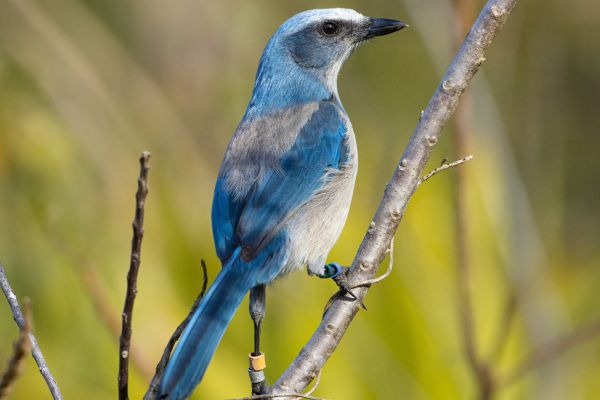
Endangered birds are species facing a high risk of extinction if the pressures around them continue. Some live in remote rainforests, others on tiny islands, wetlands, grasslands, mountains, or coastlines. A few are famous and instantly recognizable, while many are quiet, small, and unknown outside scientific circles. Yet each one has a place in the living system around it.
Understanding endangered birds is not only about counting rare species. It is about looking at how human activity, climate change, habitat loss, and conservation choices shape the future of wildlife.
What Makes a Bird Endangered
A bird becomes endangered when its population drops to a dangerously low level, its habitat shrinks, or its breeding success declines so much that recovery becomes difficult. Conservation groups and scientists study population size, range, reproduction, and threats before placing a species into a risk category.
Some birds are endangered because they live in very limited areas. An island bird, for example, may have nowhere else to go if forests are cleared or invasive predators arrive. Other species travel across continents and face danger at many points along their migration route. A bird may breed safely in one country, rest in another, and spend winter in a third. If just one of those places becomes unsafe, the whole population can suffer.
The word “endangered” can sound simple, but the reality is layered. A species may still be seen in the wild yet be declining so quickly that its future is uncertain. Another may appear stable in one region while vanishing from another. Conservation is often a race against these hidden losses.
Why Birds Are Disappearing
The biggest threat to many endangered birds is habitat loss. Forests are cut for farming, roads, mining, housing, and commercial development. Wetlands are drained, grasslands are converted, and coastal areas are disturbed. When nesting sites, feeding grounds, and shelter vanish, birds cannot simply adapt overnight.
Agriculture also plays a major role. Some birds lose habitat when land is cleared, while others are affected by pesticides that reduce insect food or poison the food chain. In open landscapes, modern farming can remove the hedges, wild margins, and rough grass that many species need to nest and feed.
Invasive species are another serious problem, especially on islands. Rats, cats, snakes, and other introduced animals can eat eggs, chicks, or adult birds that evolved without those predators. For ground-nesting birds, this can be devastating.
Climate change is adding a new layer of pressure. Sea ice, forests, wetlands, and coastlines are shifting. Food may appear earlier or later than usual. Storms, heat waves, droughts, and rising seas can damage nesting areas. Birds are adaptable creatures, but rapid environmental change can move faster than their ability to adjust.
Endangered Birds Around the World
Some endangered birds have become symbols of conservation because their stories are so dramatic. The California condor, one of the largest flying birds in North America, came close to disappearing completely. Captive breeding and careful release programs helped bring it back from the edge, though it still faces threats such as lead poisoning.
The kakapo of New Zealand is another remarkable example. This large, flightless, nocturnal parrot has a gentle, almost strange charm. It cannot fly, nests on the ground, and breeds slowly, making it highly vulnerable to introduced predators. Intensive conservation work has helped increase its numbers, but the species remains fragile.
In Asia, several vulture species have suffered catastrophic declines after feeding on livestock treated with harmful veterinary drugs. Their decline has had effects beyond wildlife, because vultures play an important role in cleaning carcasses from the environment. Their story shows how one chemical choice can ripple through an entire ecosystem.
In tropical forests, hornbills, parrots, songbirds, and pheasants face pressure from deforestation and illegal trade. In wetlands and coastal zones, cranes, storks, shorebirds, and seabirds may struggle as feeding grounds are altered or disturbed. Across the oceans, albatrosses and petrels are often caught accidentally in fishing gear, while plastic pollution and changing marine food webs create further risks.
These examples are different, but they share one truth: endangered birds rarely decline for only one reason. Usually, several pressures build together until the species can no longer recover on its own.
The Hidden Importance of Birds
It is easy to admire birds for their beauty, but their ecological value runs much deeper. Fruit-eating birds spread seeds and help forests regenerate. Nectar-feeding birds pollinate plants. Birds of prey help control rodents. Insect-eating birds reduce pests in farms, gardens, and forests. Scavenging birds remove dead animals and help limit the spread of disease.
Birds also connect people to nature in a simple, everyday way. You do not need to be a scientist to notice a robin in a garden, a heron near water, or swallows cutting across an evening sky. Because birds are visible and often easy to hear, they make environmental change easier to notice.
When bird populations decline, it can reveal damage that might otherwise stay hidden. A wetland may still look beautiful from a distance, but fewer birds can mean fewer fish, fewer insects, polluted water, or disturbed nesting sites. In this way, birds act like messengers from the natural world.
How Conservation Helps Endangered Birds Recover
Conservation begins with knowledge. Scientists monitor populations, track migration, study breeding success, and identify the biggest threats. Without good information, it is difficult to know whether a species is truly recovering or simply disappearing more quietly.
Habitat protection is one of the most important steps. Creating reserves, restoring wetlands, protecting forests, and preserving nesting areas can give endangered birds the space they need to feed and breed. In some places, conservation also means working with farmers, fishers, landowners, and local communities so that people and birds can share landscapes more safely.
Captive breeding can help when wild populations are extremely low. It is not a simple solution, though. Birds raised in controlled conditions may need careful preparation before release, and the habitat must still be safe enough for them to survive. Captive breeding works best when it is part of a larger plan, not a replacement for protecting nature.
For migratory birds, international cooperation is essential. A species cannot be protected in only one country if it depends on several countries throughout the year. Flyway conservation focuses on protecting the chain of places birds use during migration, from breeding grounds to stopover wetlands and wintering areas.
Reducing specific threats can also bring real results. Removing invasive predators from islands, changing dangerous fishing practices, banning harmful chemicals, and reducing disturbance around nesting colonies can all help bird populations recover.
The Role of Local Communities
Conservation works better when local people are included, respected, and supported. Many endangered birds live near communities that depend on forests, rivers, farms, or coastal areas for daily life. If conservation ignores those realities, it often fails.
In many successful projects, local people become nest guardians, wildlife guides, habitat monitors, or conservation educators. Traditional knowledge can also help scientists understand seasonal changes, bird behavior, and landscape history. When communities benefit from healthy ecosystems, protecting birds becomes more than an outside idea. It becomes part of local pride and long-term survival.
This is especially important in areas where rare birds are threatened by illegal hunting or trade. Laws matter, but awareness and community involvement can change attitudes in ways that enforcement alone cannot.
What Ordinary People Can Do
Protecting endangered birds may sound like work for scientists and governments, but everyday choices also matter. Keeping cats indoors or supervised can protect wild birds, especially during nesting season. Avoiding pesticides helps insects recover, which supports many bird species. Planting native trees, shrubs, and flowers creates food and shelter in gardens and urban spaces.
People can also support bird-friendly farming, reduce plastic waste, avoid buying wild-caught birds, and respect nesting areas when visiting beaches, forests, or wetlands. Even learning to recognize local birds can make a difference. Once people notice what lives around them, they are more likely to care when it begins to vanish.
Citizen science projects, where ordinary birdwatchers record sightings, have become valuable tools for tracking population changes. A simple observation, repeated by many people over time, can help reveal where species are declining and where conservation is working.
A Future Still Worth Protecting
The story of endangered birds is serious, but it is not hopeless. Some species have already been pulled back from the edge through patient, practical conservation. These recoveries remind us that extinction is not always inevitable. When people act early enough, protect habitat, reduce threats, and work across borders, birds can return.
Still, recovery takes time. A forest cannot regrow overnight. A bird that lays only one egg a year cannot rebuild its population quickly. Conservation asks for patience, humility, and consistency. It also asks us to think beyond individual species and look at the health of whole ecosystems.
Endangered birds carry the memory of wild places in their wings. They remind us of forests that still need protection, wetlands that still breathe, islands that still hold rare life, and skies that should not grow empty. Saving them is not only about preserving beauty. It is about keeping the living world balanced, resilient, and full of sound.
The future of endangered birds depends on choices being made now, in landscapes large and small. If those choices are thoughtful, there is still room for recovery. There is still room for flight, song, migration, and the quiet return of species that once seemed almost lost.