Walk into a poorly ventilated barn in the middle of summer and the difference is immediate. The air feels heavy, moisture hangs in the corners, and even healthy animals seem restless. Good airflow rarely gets the same attention as feed quality or building materials, yet it quietly shapes the daily environment inside any livestock structure. That’s why barn ventilation systems have become one of the most important considerations in modern farm management.
Whether the barn houses dairy cattle, poultry, horses, goats, or swine, proper ventilation influences comfort, respiratory health, odor control, and temperature regulation. A well-designed system can help reduce humidity, prevent mold growth, and create a more stable indoor climate throughout the year. Poor ventilation, on the other hand, often leads to lingering moisture problems, airborne dust, and unnecessary stress on animals.
The conversation around barn ventilation systems has also changed in recent years. Farmers are balancing energy efficiency with animal welfare, while newer technologies are making climate control more precise than ever before. Some producers still rely on traditional natural airflow methods, while others invest in automated mechanical systems that constantly adjust based on weather conditions.
Understanding the strengths and weaknesses of each setup makes it easier to choose the right approach for different types of barns and climates.
Why Ventilation Matters More Than Many Barn Owners Realize
Barn air changes constantly. Animals produce heat, moisture, and gases every hour of the day. Bedding materials release dust particles, and manure contributes ammonia and humidity. Without a way to remove stale air and replace it with fresh air, conditions deteriorate surprisingly fast.
In colder regions, many barn owners make the mistake of sealing structures too tightly during winter. The intention is understandable—keeping warmth inside feels practical—but trapped moisture becomes a bigger issue than cold air itself. Condensation builds on ceilings and walls, eventually encouraging bacteria, mold, and respiratory irritation.
During hot weather, inadequate airflow can create heat stress. Dairy cows, for example, experience drops in milk production when temperatures remain too high for extended periods. Horses often become uncomfortable in stagnant environments, and poultry barns can quickly turn hazardous without sufficient air exchange.
Good ventilation doesn’t simply cool a space. It maintains air quality and balances temperature and humidity in ways that support healthier livestock overall.
Natural Ventilation Systems
Natural ventilation remains one of the oldest and most widely used barn ventilation systems. These setups depend on wind movement and thermal buoyancy rather than powered equipment. Open sidewalls, ridge vents, curtain walls, and roof openings allow fresh air to enter and warm air to escape naturally.
Many livestock barns still use this approach because it is relatively low-cost and energy-efficient. Pole barns and open-sided cattle structures are particularly suited to natural airflow designs.
One advantage of natural ventilation is simplicity. There are fewer mechanical parts to maintain, which can reduce operating expenses over time. In moderate climates, a well-positioned naturally ventilated barn often provides surprisingly effective airflow year-round.
Still, natural systems are highly dependent on weather conditions. On hot, windless days, airflow can become inconsistent. Barn orientation also matters more than many people expect. A poorly positioned structure may block prevailing winds rather than capture them.
Another challenge appears during extreme cold. Balancing fresh air intake with heat retention becomes more difficult without supplemental systems.
Even with those limitations, natural ventilation continues to work well for many smaller farms and open livestock structures where flexibility matters more than climate precision.
Mechanical Ventilation Systems
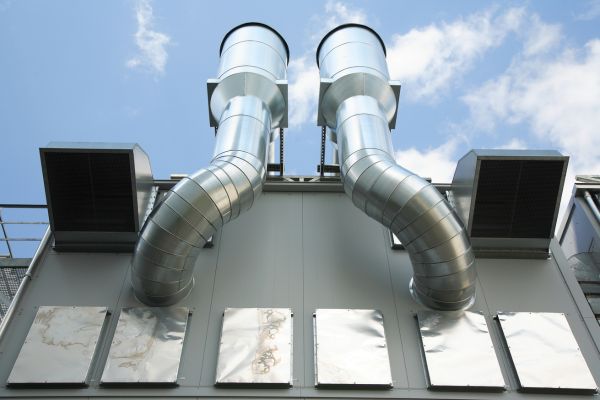
Mechanical ventilation introduces powered fans and air-moving equipment into the equation. These systems are designed to create consistent airflow regardless of outdoor conditions.
Tunnel ventilation is among the most recognizable examples. Large exhaust fans pull air through the length of the barn, creating a wind-chill effect that helps cool animals during warm periods. Poultry and swine operations commonly rely on tunnel systems because they provide steady air movement across large enclosed spaces.
Cross-ventilation systems operate differently by moving air horizontally across the width of the building. These setups often include sidewall inlets paired with strategically positioned fans.
Mechanical barn ventilation systems offer greater control than natural airflow methods. Temperature, humidity, and fan speed can often be adjusted automatically using sensors and computerized controls.
The downside, naturally, is cost. Installation expenses are higher, and electricity consumption becomes an ongoing consideration. Mechanical systems also require regular maintenance. Fans collect dust quickly inside agricultural environments, and neglected equipment loses efficiency over time.
Still, for operations where precise environmental control matters, mechanical systems are difficult to replace.
Hybrid Ventilation Approaches
Many modern barns no longer rely on a single strategy. Hybrid systems combine natural airflow with mechanical support, creating flexibility across changing seasons.
A barn might use open sidewalls during mild weather and activate circulation fans during hotter periods. Some dairy barns incorporate ridge vents for passive air exchange while also using high-volume ceiling fans to improve airflow around resting areas.
This blended approach often provides the best balance between efficiency and environmental control. Farmers can reduce energy use during favorable weather while still having backup airflow support when conditions become challenging.
Hybrid systems also adapt well to regions with dramatic seasonal shifts. A barn in the northern United States or Canada may experience freezing winters and humid summers within the same year, making adaptability especially valuable.
The growing popularity of hybrid ventilation reflects a broader trend in agriculture: flexibility tends to outperform rigid design.
Positive Pressure Tube Ventilation
Positive pressure tube systems have become increasingly common in calf barns, horse facilities, and smaller enclosed livestock structures. These systems use fans connected to perforated tubes that distribute fresh air evenly throughout the space.
Instead of relying solely on exhaust fans to remove stale air, positive pressure systems gently introduce clean air into the barn. The controlled airflow helps reduce drafts while still maintaining healthy air exchange.
Young livestock benefit particularly well from these setups because calves and foals are more sensitive to respiratory stress. Uneven airflow inside traditional barns often creates cold spots or stagnant corners where moisture accumulates.
Positive pressure systems are not usually designed for cooling large structures during extreme heat. Their strength lies in maintaining air quality during colder seasons when barns remain more enclosed.
Installation requires careful planning because tube size, hole spacing, and fan strength all influence performance. When designed correctly, however, these systems create a noticeably fresher indoor environment.
Circulation Fans and High-Volume Low-Speed Systems
Not every ventilation upgrade requires a complete redesign. Sometimes improving air circulation alone makes a major difference.
High-volume low-speed fans, often called HVLS fans, have become increasingly common in dairy and equestrian barns. These oversized ceiling fans move large amounts of air slowly and evenly, reducing heat buildup without creating harsh drafts.
One reason these fans gained popularity is their ability to improve animal comfort without excessive noise. Smaller high-speed fans can create uneven airflow patterns and noticeable turbulence. HVLS systems tend to feel gentler while still improving circulation.
In dairy operations, improved airflow often helps keep bedding drier and reduces heat stress during summer. Horses also tend to tolerate slower-moving air better than intense direct airflow.
Circulation fans are rarely a complete ventilation solution on their own, though. They work best when integrated into broader barn ventilation systems that also address air exchange and humidity removal.
Seasonal Challenges in Barn Ventilation
Ventilation requirements change dramatically across seasons. A setup that works perfectly in October may struggle in July or January.
Winter ventilation is often misunderstood. Cold air itself is not necessarily harmful to livestock when humidity remains controlled. Damp, stagnant air usually creates bigger health concerns than lower temperatures. Proper winter ventilation focuses on moisture removal without exposing animals to excessive drafts.
Summer creates the opposite problem. Heat accumulation, especially in metal-roofed barns, can become severe by mid-afternoon. Mechanical airflow, shade management, and roof insulation all become important factors.
Transitional seasons present their own complications. Spring and autumn weather often shifts rapidly between warm and cool conditions, making adjustable ventilation systems especially useful.
Barn owners who pay attention to seasonal airflow patterns tend to spot problems early. Condensation on windows, strong ammonia odors, and persistent damp bedding usually indicate insufficient ventilation somewhere in the system.
Energy Efficiency and Smart Ventilation Technology
Technology is reshaping how farmers manage airflow. Automated controllers now monitor temperature, humidity, and even carbon dioxide levels in some advanced barns.
Instead of manually adjusting curtains or fan speeds throughout the day, automated systems respond continuously to environmental changes. Some setups even connect to mobile apps, allowing farmers to monitor conditions remotely.
Energy efficiency has become another major focus. Variable-speed fans consume less electricity than older fixed-speed systems while providing more precise airflow control. Insulated buildings paired with efficient ventilation designs also help reduce heating costs during winter.
Of course, technology introduces complexity. Sensors occasionally fail, electrical systems require maintenance, and automation cannot fully replace hands-on observation. Experienced farmers still rely heavily on instinct and daily monitoring.
Even so, smarter barn ventilation systems are gradually becoming more accessible beyond large commercial operations.
Choosing the Right System for Different Barn Types
No single ventilation setup works for every structure. A horse barn has very different airflow requirements than a poultry facility or dairy operation.
Open livestock shelters often perform well with natural airflow because animals have more freedom to move between warmer and cooler areas. Enclosed poultry barns, by contrast, require carefully controlled air exchange to maintain flock health.
Horse barns need a balance between fresh air and draft prevention. Horses tolerate cooler temperatures fairly well, but stagnant air contributes to respiratory irritation over time.
Dairy barns typically benefit from strong summer airflow because heat stress directly impacts milk production and animal comfort. Swine facilities often prioritize precise temperature management alongside odor control.
Climate matters just as much as species. Barns in humid southern regions face different challenges than those in dry western climates or snowy northern areas.
The best ventilation systems are usually the ones designed around specific conditions rather than copied from another operation without adjustment.
Conclusion
Barn ventilation rarely draws attention when it works properly, and perhaps that’s the point. Healthy airflow operates quietly in the background, shaping the daily environment without demanding constant notice.
The evolution of barn ventilation systems reflects a deeper understanding of animal welfare, building science, and environmental management. From traditional ridge vents to sensor-controlled mechanical systems, the goal remains the same: creating cleaner, healthier, and more stable indoor conditions.
What stands out most is that ventilation is never truly one-size-fits-all. The ideal setup depends on climate, livestock type, barn design, and even management style. Some farms thrive with simple natural airflow, while others depend on sophisticated mechanical controls to maintain consistency year-round.
In the end, good ventilation is less about technology itself and more about balance. Fresh air, controlled moisture, steady airflow, and seasonal adaptability all work together to create barns that feel healthier not only for animals, but for the people working inside them every day.