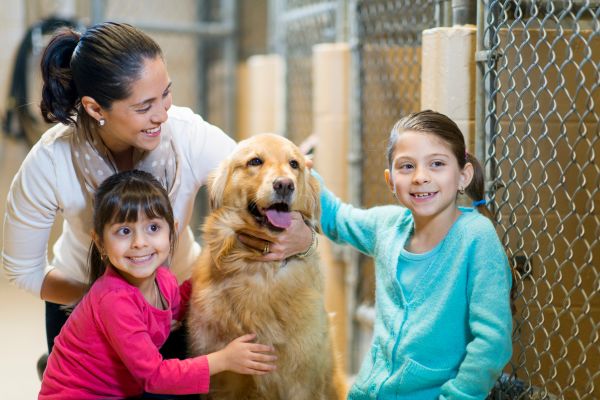
Bringing a pet into a home with children can be one of those family decisions that feels both exciting and slightly overwhelming. There is the sweet picture everyone imagines: a child curled up with a sleepy dog, a cat quietly following little footsteps from room to room, or a small pet becoming part of everyday family stories. But real life is a little messier than that, in the best and most honest way.
Pet adoption for families with kids is not just about choosing the cutest face at a shelter. It is about timing, temperament, patience, routines, and teaching children how to care for another living being. When done thoughtfully, adoption can become a beautiful experience for the whole family. It can teach empathy, responsibility, gentleness, and the quiet joy of loving something that depends on you.
Understanding Your Family’s Readiness
Before visiting a shelter or scrolling through pet profiles online, it helps to pause and look at your home as it really is. Not the perfect version, but the everyday one. Are mornings already rushed? Do the kids have after-school activities most days? Is someone home enough to help a new pet settle in? These questions matter because adoption is not a one-day event. It is the beginning of a long relationship.
Children may be very excited about the idea of a pet, but excitement does not always translate into daily responsibility. A young child might promise to feed the dog every morning, then forget after three days. That does not mean they are careless. It simply means adults need to be realistic. Parents should expect to carry the main responsibility, especially in the beginning.
It is also worth thinking about your child’s age and personality. Some children are naturally calm around animals, while others are louder, quicker, or still learning how to control their movements. A pet that is comfortable with children will make the adjustment much easier for everyone.
Choosing the Right Pet for a Home With Children
Every pet has its own personality, and this is where families need to look beyond breed, size, or appearance. A large dog may be gentle and patient, while a small dog may feel nervous around active kids. A kitten may seem adorable, but it may not enjoy being picked up often. An older cat or dog might be calmer and already used to family life.
For many families, adopting an adult pet can be a wise choice. Puppies and kittens are charming, of course, but they need constant supervision, training, and patience. Adult pets often have more predictable behavior, especially when shelters or rescue groups can share background information about them.
This does not mean there is one perfect pet for every family. Some homes do beautifully with dogs. Others are better suited to cats, rabbits, guinea pigs, or another small companion. The key is to match the animal’s needs with your family’s actual lifestyle, not just your children’s wishes in the moment.
Meeting a Pet Before Making a Decision
A first meeting can tell you a lot, but it should not be rushed. Children may want instant affection, while a pet may need space to observe. That first interaction is a good opportunity to watch how both sides respond. Does the animal seem relaxed or tense? Do the children listen when asked to be gentle? Can they stay calm if the pet backs away?
Shelter staff and foster families can be incredibly helpful here. They often know which pets have lived with children, which ones prefer quieter homes, and which need more training or patience. Their insight can prevent a mismatch that would be stressful for both the family and the animal.
It is also helpful to involve children in the process without giving them full decision-making power. Let them ask questions. Let them notice how a pet behaves. But the final choice should come from the adults, guided by what is safest and most suitable for the whole household.
Teaching Children Respect Before the Pet Comes Home
One of the most important parts of pet adoption for families with kids happens before the animal ever walks through the front door. Children need to understand that pets are not toys, surprises, or decorations. They have moods, fears, needs, and boundaries.
Simple lessons make a big difference. A pet should not be bothered while eating, sleeping, hiding, or using a litter box. Tails, ears, paws, and fur should not be pulled. Hugging may feel loving to a child, but many animals find it uncomfortable. Children should learn to invite interaction instead of forcing it.
This kind of teaching does not need to feel heavy. Parents can explain it gently, through everyday language. “Let’s give her space.” “He is resting now.” “Use soft hands.” Over time, these small reminders help children build a respectful relationship with their new companion.
Preparing the Home for a Smooth Arrival
The first few days in a new home can feel confusing for a pet. There are unfamiliar smells, voices, rooms, and routines. For this reason, the home should be prepared with calm in mind. A pet needs a safe place where it can retreat when things feel too busy.
For a dog, this might be a quiet corner with a bed or crate. For a cat, it could be a separate room with food, water, a litter box, and a cozy hiding spot. Small pets also need secure, peaceful spaces away from loud noise and constant handling.
Children should know that this space belongs to the pet. It is not a play area. It is not a place to crawl into or reach inside without permission. Having this boundary from the beginning helps the pet feel safer and reduces the chances of stress-related behavior.
Building Routines That Children Can Join
Once the pet begins to settle in, routines become the backbone of family life. Feeding times, walks, grooming, play, cleanup, and quiet time all help a pet understand what to expect. Children can be part of these routines, but their tasks should match their age and ability.
A small child might help scoop food with supervision. An older child might refill water, brush a calm pet, or join daily walks. Teenagers may be ready for more responsibility, though even then, parents should stay involved.
The goal is not to hand over pet care completely. It is to let children feel included while learning consistency. When kids see that animals need care every day, not only when it is fun, they begin to understand responsibility in a real and grounded way.
Helping Kids Handle the Emotional Side
Adopting a pet can bring out big feelings in children. There is excitement, but sometimes also disappointment. A pet may not cuddle right away. A dog may need training. A cat may hide under the bed for two days. A child who expected instant friendship might feel rejected.
This is where parents can help children understand patience. Love with animals often grows slowly. Trust is built through gentle actions repeated over time. Sitting nearby without touching, speaking softly, offering treats with permission, and respecting boundaries are all part of the bonding process.
Children also learn that relationships are not always about getting attention. Sometimes love means waiting. Sometimes it means leaving a pet alone. These are quiet lessons, but they stay with children.
Safety and Supervision Matter
Even the sweetest pet and the kindest child need supervision, especially early on. Animals can become scared or overstimulated. Children can forget rules when they are excited. An adult presence helps prevent problems before they happen.
Families should learn basic signs of stress in pets. A dog may turn away, lick its lips, tuck its tail, growl, or become stiff. A cat may flatten its ears, swish its tail, hide, or hiss. These signals are communication, not bad behavior. Teaching children to notice them can keep everyone safer.
Supervision does not mean hovering forever. It means guiding the relationship until trust, habits, and understanding are strong enough to relax a little.
Giving the New Bond Time to Grow
Some pets settle in quickly. Others need weeks or even months before they feel truly at home. Families should not judge the adoption too quickly based on the first few days. A shy pet may become affectionate once it feels secure. An energetic dog may calm down once routines and training are in place.
The best family-pet relationships usually grow through ordinary moments. Morning greetings. A child reading beside a sleepy cat. A dog joining the walk to school. A small pet recognizing familiar voices. These little scenes are where attachment quietly forms.
A Thoughtful Start Makes a Lasting Difference
Pet adoption for families with kids can be a deeply rewarding choice when it is approached with care instead of impulse. The right pet can bring warmth, laughter, comfort, and a new rhythm to the home. Children can learn kindness in a way no lecture could ever fully teach.
Still, adoption asks something from the whole family. It asks for patience, consistency, respect, and the willingness to see a pet as a living companion with its own needs. When families make space for that truth, the experience becomes more than simply “getting a pet.” It becomes the beginning of a relationship that can shape childhood memories for years to come.