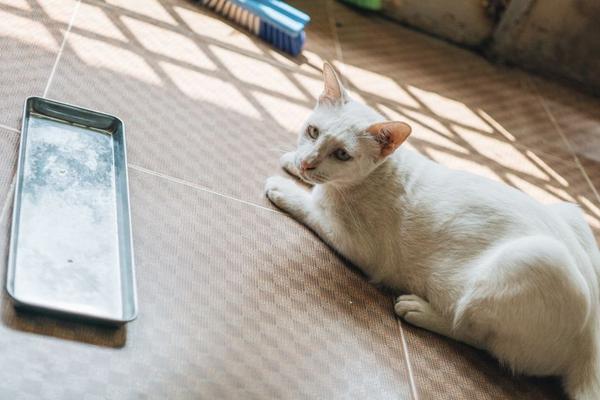
When a cat starts calling from the hallway at 2am, the first question is usually simple: why now? Night-time meowing can be perfectly normal, especially for cats whose activity naturally rises around dawn and dusk, but it can also reflect hunger, boredom, a learned routine, stress or a health problem. The useful clue is not just the sound itself, but what happens before, during and after it.
Why cats meow at night
Cats use vocalisation to communicate with people, and some quickly learn that night-time noise gets a response. If you get up, offer food, open a door or start talking every time your cat calls, the behaviour can become part of the household routine. That does not mean your cat is being manipulative; it simply means the meow has produced a predictable result.
Hunger or an established feeding schedule
A cat that wakes you at roughly the same time each night or very early in the morning may be anticipating food. This is especially common when breakfast follows soon after the meowing begins. Smaller, well-spaced meals during the day can help, and an automatic feeder can be useful if hunger is the main trigger. Set it to open before the usual wake-up time so the feeder, rather than you, becomes the source of the early meal.
Boredom and unused energy
A restless cat at night may simply have had too little stimulation during the day. Indoor cats in particular need opportunities to stalk, chase, climb, scratch and explore. A short play session just before your own bedtime can make a noticeable difference. Try 10 to 15 minutes with a wand-style toy, allow a final “catch”, then follow with the cat’s normal meal. That sequence mirrors the hunt-eat-rest pattern many cats find satisfying.
Daytime enrichment matters too. Rotate toys rather than leaving everything out permanently, provide climbing spots, scratching areas and safe window views, and use food puzzles when appropriate. These changes are often more effective than trying to exhaust a cat with one long evening session.
Attention and learned night-time habits
If your cat wakes you at night and immediately seeks petting, conversation or play, attention may be part of the reward. Once medical causes and practical needs have been ruled out, consistency becomes important. Giving attention on some nights but ignoring the behaviour on others can make the routine harder to change because the cat learns that persistence sometimes works.
A better approach is to give social interaction at predictable times while you are awake, then keep the night routine calm and uneventful. Never shout, spray water or punish a noisy cat. Punishment can increase fear and stress without addressing the reason for the behaviour.
Changes in the home or daily routine
Cats often notice changes that people consider minor. A new pet, visitors, building work, a moved litter tray, a closed bedroom door or a different work schedule can alter night behaviour. If the meowing began after a change, restore predictability where possible. Keep feeding, play and bedtime routines steady and make sure the cat can easily reach water, litter trays and comfortable sleeping areas.
Mating behaviour in unneutered cats
Unneutered cats may produce loud, persistent calling connected with reproductive behaviour. Females in heat can become especially vocal, while males may call when they detect a receptive female nearby. If this applies to your cat, discuss neutering with your vet rather than treating the problem as a training issue.
When night-time meowing can signal a health problem
A sudden increase in cat vocalisation deserves more attention, particularly if your cat is older or the meowing is accompanied by other changes. Pain, hyperthyroidism, high blood pressure, kidney disease, sensory decline and other medical problems can contribute to restlessness or increased calling. Hyperthyroidism, for example, is more common in middle-aged and older cats and may also cause weight loss, increased appetite, increased thirst, hyperactivity, vomiting or diarrhoea.
Older cats may also develop cognitive dysfunction. Possible signs include confusion, altered sleep-wake patterns, wandering, house-soiling and loud vocalising, often at night. These signs can overlap with other illnesses, so cognitive decline should not be assumed without a veterinary assessment.
Arrange a vet appointment if the behaviour is new, getting worse, or accompanied by weight loss, appetite or thirst changes, difficulty using the litter tray, signs of pain, disorientation, changes in vision or hearing, or unusual agitation. If your cat appears acutely distressed, has breathing difficulty or cannot urinate normally, seek urgent veterinary care.
How to make nights calmer
Start by observing the pattern for several nights. Note the time the meowing starts, where your cat is standing, what they do next and what usually makes the behaviour stop. A simple diary can reveal whether the trigger is food, a closed door, outdoor activity, a litter tray issue or something less obvious.
Then build a repeatable evening routine: interactive play, the cat’s normal meal, a clean litter tray, fresh water and a comfortable sleeping area. For a cat that becomes hungry before breakfast, consider a timed feeder. For an older cat that seems uncertain in the dark, a low-level night light near key resources can make navigation easier. Keep essentials easy to reach, especially if arthritis or reduced mobility is possible.
For related reading, natural internal topics include cat body language, indoor cat enrichment and caring for an older cat. These subjects help explain the wider behaviour behind night-time calling without treating every meow as a problem in isolation.
Frequently asked questions
Why does my cat meow at the same time every night?
A repeated time often points to routine. Your cat may expect food, attention, outdoor access or another event that has happened at that time before. Track what follows the meowing and change the routine gradually rather than responding inconsistently.
Should I ignore my cat meowing at night?
Do not automatically ignore new or unusual meowing. First check for practical needs and possible health problems. If your vet has ruled out medical causes and the behaviour is clearly reinforced by attention, reducing your response can be part of a consistent behaviour plan.
Why is my older cat suddenly yowling at night?
Older cats can vocalise at night because of pain, hyperthyroidism, high blood pressure, sensory changes or cognitive dysfunction. A sudden change should be discussed with a vet, especially if there are changes in appetite, thirst, weight, mobility, toileting or orientation.
Can more play stop night-time cat meowing?
Play can help when boredom or excess energy is contributing, but it is not a cure for every cause. Use short, regular interactive sessions and pair evening play with a predictable meal and bedtime routine.
A calmer night starts with the cause
Night-time meowing is best treated as information rather than simply noise to stop. Some cats are asking for food or interaction, others are reacting to a routine change, and some are signalling discomfort or age-related problems. Once you identify the likely trigger, you can respond in a way that meets your cat’s needs without accidentally strengthening an unwanted habit. If the pattern is new, persistent or accompanied by other changes, a veterinary check is the safest place to start.