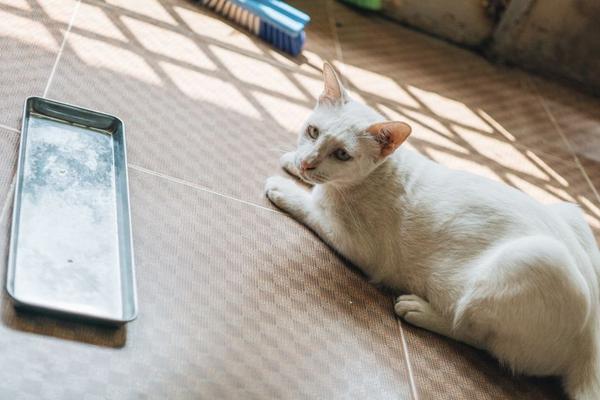
A litter tray can be perfectly clean, filled with a litter your cat likes, and still be ignored if it sits in the wrong place. Cats are vulnerable while toileting, so location affects whether the tray feels safe, private and easy to reach. The best cat litter tray placement is usually a quiet, low-traffic spot that stays accessible all day and is well away from food and water.
That does not mean hiding the tray in the most remote corner of the house. A good litter tray location balances privacy with convenience. Your cat should be able to reach it without passing a noisy appliance, another pet, a busy doorway or anything else that makes the route feel risky.
Choose a quiet place your cat can reach easily
Look at your home from your cat’s point of view. A spare bathroom, quiet study or sheltered space under the stairs can work well. The key is that the area is calm and predictable. A tray beside a washing machine may seem practical for cleaning, but a sudden spin cycle can frighten a cat while they are using it and make them reluctant to return.
Avoid busy hallways, doorways and other pinch points where people or pets frequently pass. If possible, choose a position with a clear approach and an easy way to leave. This matters especially in homes with children, dogs or more than one cat.
Privacy should not mean isolation
A cupboard, locked room or remote basement can create a different problem: access. Doors get shut and dark corners may be difficult for older cats to reach. The best cat toilet area is private enough to feel secure but convenient enough that your cat can reach it whenever needed.
Keep the tray away from food and water
Cats generally prefer toileting, eating and drinking areas to be separate. Place the tray as far from food and water bowls as your available space reasonably allows. In a small flat, aim for separation rather than a perfect distance. For example, food can stay in the kitchen while the tray sits in a quiet bathroom corner.
Avoid places that feel exposed or threatening
Large windows, patio doors and cat flaps can be poor locations. A tray beside a glass door may leave a cat visible to neighbourhood cats outside, while a cat flap can be a busy entry point where another cat appears suddenly.
Noise is another common problem. Vacuum cleaners, boilers, tumble dryers and washing machines can create abrupt sounds or vibration. If your cat has been startled near the tray, moving it to a calmer area may help restore confidence.
Make access easier for kittens and older cats
A kitten should not have to cross the entire house to find a tray, and an older cat with stiff joints may struggle with stairs. In multi-storey homes, having a tray on each level can make toileting easier. Low-entry trays can also help senior cats or cats with mobility problems.
If a cat suddenly stops using a tray, do not assume location is the only cause. Changes in toileting can also be linked to pain, urinary problems, digestive issues or stress. A sudden or persistent change deserves veterinary advice, especially if your cat is straining, crying, passing very little urine or repeatedly visiting the tray.
Plan multi cat litter trays as separate resources
Several trays placed side by side do not offer the same choice as trays in different locations. A commonly recommended guideline is one litter tray per cat plus one extra, distributed around the home where practical. Two cats, for example, would ideally have access to three trays in separate areas rather than three trays lined up in one room.
Spacing matters because one cat can block another’s access without an obvious fight. A confident cat resting in a doorway may be enough to make a cautious cat avoid a tray. Separate multi cat litter trays give each cat alternatives and reduce the chance that one tense encounter makes every tray feel unsafe.
A practical two-storey example
In a two-storey home with two cats, one tray could sit in a quiet downstairs study, another in a calm bathroom upstairs, and a third in a separate downstairs corner away from the feeding area. That gives both cats choices across the home and avoids creating one concentrated toilet station.
Do not keep moving the tray unnecessarily
Once your cat is happily using a tray, consistency helps. If you need to relocate it, make the change gradually when possible. Moving the tray a short distance at a time, or temporarily adding a second tray in the new spot, can make the transition easier.
If your cat repeatedly chooses an inappropriate location, notice what that spot offers. It may be quieter, more private or easier to access than the official tray location. Treat that behaviour as useful information rather than stubbornness.
Match the location to daily household life
A litter tray location that works at midnight must also work during breakfast, busy evenings and laundry day. Before deciding where to put litter tray equipment permanently, watch the area through a normal day. Does a door often close? Does the dog sleep nearby? Does the space become crowded? Small observations can explain why an apparently sensible spot fails.
FAQ
Where is the best place to put a cat litter tray?
A quiet, private, low-traffic location with easy access is usually best. Keep the tray away from food, water, noisy appliances, busy doorways and areas where other pets can block the route.
Can I put a litter tray in the bathroom?
Yes, a bathroom can work well if it is calm and always accessible. Make sure the door will not routinely be closed and avoid placing the tray beside a noisy appliance.
Should litter trays be upstairs and downstairs?
In a multi-storey home, providing trays on more than one level can improve access. This is particularly useful for kittens, older cats and cats with mobility problems.
Why has my cat stopped using a tray that used to be fine?
The area may have become noisier, busier or associated with a frightening event, but medical causes are also possible. Check for environmental changes and seek veterinary advice if the change is sudden, persistent or accompanied by discomfort.
Make the tray feel like a safe choice
Good cat litter tray placement is less about finding one perfect room and more about creating a safe, predictable route to a clean toilet area. Prioritise quiet, privacy, easy access and distance from food and water. In multi-cat homes, spread trays across separate locations rather than grouping them together. When the setup works from the cat’s perspective, using the tray becomes the easy, natural choice.