A pet bird can have fresh food, a clean cage and plenty of toys yet still spend hours with little to do. Wild birds search for meals, move between perches, investigate objects and communicate with others. Good pet bird enrichment ideas bring those everyday choices into a safe home routine. They need not be expensive; often, a small change in how food or playtime is offered makes the biggest difference.
Start With Your Bird’s Natural Behaviour
Useful enrichment depends on the individual. Budgies may enjoy short flights, climbing and finding tiny food rewards. Cockatiels often investigate low platforms and scattered food. Many parrots relish chewing and manipulating objects. Age, mobility and confidence matter as much as species.
Watch what your bird already chooses to do. Does it tear paper, inspect cups or move along a perch to reach you? Build bird enrichment around those interests, introducing one manageable challenge at a time. A frightened bird needs familiarity before novelty becomes fun.
Make Mealtimes More Like Foraging
Turn a familiar bowl into a small search
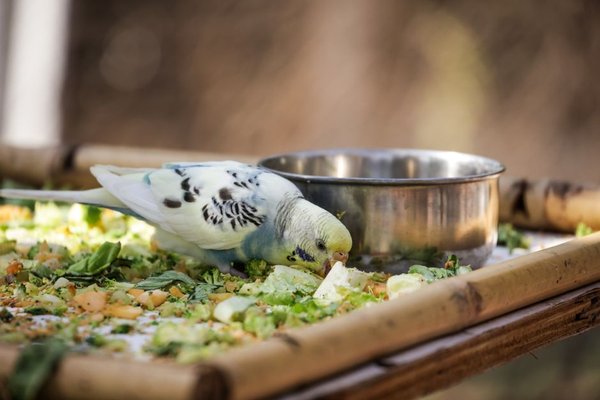
Some easy bird foraging ideas begin with part of the bird’s usual daily food allowance. Place a few pieces in a shallow, bird-safe tray among clean paper strips, or offer them at several accessible feeding spots. Start with visible food so your bird understands the activity.
Once the bird confidently finds the food, lightly cover some pieces with plain paper. A capable chewer might investigate a simple uncoated cardboard parcel with food inside. Choose appropriately sized materials, supervise early attempts and remove anything the bird tries to swallow rather than shred.
Increase the challenge gradually
Foraging should encourage discovery, not prevent eating. Keep familiar food accessible while your bird learns, and monitor intake and weight. Puzzles do not replace balanced nutrition. Treats count toward the daily allowance, and fresh foods must be removed before they spoil.
Create Climbing and Movement Opportunities
Offer stable, bird-safe perches of suitable varied diameters, positioned so your bird can step, hop or climb between them. A sturdy play stand can extend the route outside the cage. Leave clear movement space; filling every gap with accessories may make an enclosure less usable.
Flight-capable birds need appropriate exercise in a secure area. Close doors and windows, cover hazardous glass, switch off fans and keep other pets away. Birds with limited flight ability may benefit from low platforms and reachable climbing routes instead.
Try shifting one perch slightly once your bird is comfortable with the arrangement. This invites exploration without overwhelming it. For species-specific layouts, a pet bird cage setup guide can provide useful context.
Offer Safe Shredding and Chewing Projects
Chewing and shredding are satisfying pet bird activities, especially for birds that naturally manipulate plant material. Try plain untreated paper, suitable bird-safe wood or uncoated cardboard selected for your bird’s size and chewing strength. Observe the first session: the goal is to investigate or tear material, not eat it.
Keep a few suitable toys available and rotate familiar pieces occasionally. Introduce unfamiliar items gradually, initially outside the enclosure if necessary. Avoid frayed ropes, loose threads, sharp fittings, questionable metals and detachable parts that could be swallowed.
Use Short Training Sessions for Mental Exercise
Positive-reinforcement training offers a problem to solve and gives the bird control over an interaction. Start with an easy behaviour, such as touching a target stick or stepping onto a handheld perch. Immediately reward success with praise or a tiny suitable food reward.
Keep sessions brief and stop while the bird remains interested. Never force contact or punish reluctance. Leaning away, freezing or repeatedly avoiding the task signals discomfort or confusion.
Training can support everyday care too. Voluntary stepping up, entering a carrier and approaching a scale may make handling less stressful. A positive reinforcement bird training guide can help you develop these skills.
Add Social and Sensory Variety
Bird boredom prevention does not mean making more noise. Many companion birds value predictable social contact and quiet places to retreat. Talk or whistle gently, offer supervised interaction and respect your bird’s signals. For species that need compatible avian companionship, human attention alone may not meet every social need.
A safe view of outdoor movement, a different perch position or a shallow bathing dish can add interest. Never force bathing or assume all birds enjoy music. Look for relaxed exploration rather than alarm or frantic escape attempts.
Try a Simple Daily Enrichment Routine
Imagine a budgie that normally eats from one bowl and waits for evening attention. In the morning, place part of its regular food in an easy paper-lined foraging tray. At midday, offer a familiar shredding toy. In the evening, provide supervised flight time and a short target-training session. These modest activities encourage different natural behaviours.
The following day, change just one detail: a food-search location or a safe perch route. Note which tasks your bird approaches, ignores or avoids. This creates a routine based on actual preferences instead of a growing collection of unused toys.
Rest matters too. Birds need uninterrupted, species-appropriate sleep and quiet periods. Enrichment should fit around normal meals, social needs and veterinary care rather than fill every waking moment.
Check Safety Before Every Session
Inspect toys for splinters, loose fibres, exposed wires and damaged hardware. Avoid scented products, toxic plants, unsafe adhesives and objects not known to be bird-safe. Kitchens pose particular risks from fumes, hot surfaces and cooking equipment; arrange play in a separate safe space.
Supervise out-of-cage exploration and new homemade projects. Persistent fear, reduced appetite, unexpected weight loss or feather-damaging behaviour deserve veterinary attention, not simply more toys. A household hazards for pet birds guide can help you review a play area.
Frequently Asked Questions
How often should I change my bird’s enrichment?
Provide suitable opportunities daily, but rotate items according to your bird’s response. Keep familiar favourites and introduce novelty slowly, particularly for nervous birds.
Can I make bird enrichment toys at home?
Yes. Plain paper, suitable untreated cardboard and bird-safe wood can work well. Check construction carefully, avoid loose fibres or choking hazards, and supervise initial use.
What if my bird ignores new toys?
Start with a familiar object or visible food reward. Place the new item at a comfortable distance and let the bird approach voluntarily. Confidence may take several calm introductions.
Does enrichment replace flight or companionship?
No. Puzzles and toys supplement appropriate exercise, social contact, suitable housing, good nutrition and veterinary care. The balance varies by species and individual.
Build Variety Into an Ordinary Day
The best pet bird enrichment ideas encourage natural behaviour without overwhelming the bird. A little searching, climbing, chewing, learning and comfortable social time makes daily life more engaging. Start with one safe activity, notice what your bird enjoys and let that response shape tomorrow’s routine.