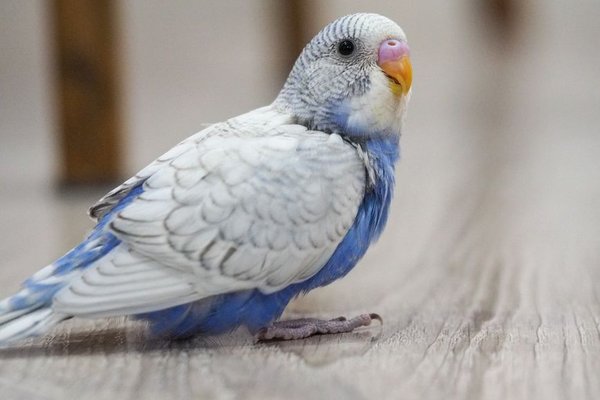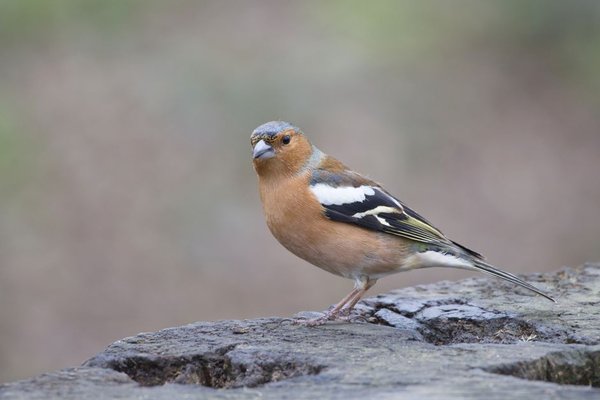
Finches bring the energy of a miniature flock into a home: quick flights between perches, quiet contact calls and the rituals of feeding and preening together. They are attractive birds to watch, but their needs differ from those of a single, hand-tame pet. This finch care guide for UK owners focuses on giving these social birds the space, companionship and routine they need.
Start with the species and the flock
Zebra finches and society finches are familiar choices for pet bird keepers, although species have different requirements. Research the exact species before buying, especially if considering more delicate finches or a mixed aviary. Choose alert birds with clean plumage, clear eyes and effortless breathing, ideally from a responsible breeder or rescue.
Most commonly kept finches are highly social. Human attention cannot replace another compatible finch. A suitable pair or group allows natural calling, resting and grooming behaviour. However, social does not mean every bird will get along: crowding, competition and breeding hormones can lead to chasing or bullying.
Choosing companions
For a first setup, keeping compatible finches of one species is usually simpler than mixing species. Discuss the birds’ sexes and likely breeding behaviour before bringing them home. Do not introduce unfamiliar birds directly into an established flock. Arrange a separate quarantine period and ask an avian vet how to introduce them safely, then watch for birds being chased from food or resting places.
Pet finch housing: make room for real flight
Finches travel horizontally, so a long, spacious flight cage or aviary is more useful than a tall, narrow decorative cage. They should be able to fly between widely separated perches without constantly brushing the bars. Select bar spacing appropriate to these tiny birds and check that doors, catches and feeders cannot become escape routes.
Place natural wooden perches of varying diameters towards the ends of the enclosure, leaving the middle open for flight. Provide more than one food and water station if you keep a group. Position them away from droppings and avoid overcrowding the enclosure with toys or nest accessories.
For a practical example, imagine two zebra finches in a long indoor flight cage. Put one perch near each end and the food dish where neither bird can guard the only route to it. From a quiet seat, observe whether both birds make repeated, unhindered flights. If one stays trapped in a corner, adjust the layout and assess their compatibility.
Indoor and outdoor conditions in the UK
Keep indoor housing somewhere bright but out of direct overheating sunlight, draughts, kitchen fumes and sudden temperature changes. Avoid aerosol sprays, scented products and fumes from overheated non-stick cookware around birds. Give them a settled nighttime period without television noise or lights repeatedly switching on.
An outdoor aviary needs predator-proof construction, shelter from wind and rain, dry flooring and a secure, insulated retreat appropriate to the species. British winters and damp weather can be dangerous, particularly for finches that need warmth. Check current government guidance on captive-bird registration, avian influenza and local disease-control restrictions before using an outdoor setup. Prevent contact with wild birds and their droppings.
Finch feeding: variety without guesswork
Finch feeding should go beyond refilling a bowl of seed. Seed-only diets can lack nutrients, while birds may pick out favourite seeds and leave the rest. Ask an avian vet or knowledgeable specialist about an appropriate formulated diet for your species, alongside a measured amount of suitable seed and fresh, thoroughly washed greens.
Introduce dietary changes gradually rather than removing familiar food overnight. Finches have high metabolic needs, and a bird that refuses a new food may deteriorate quickly. Suitable greens can include small portions of kale or other bird-safe leafy vegetables. Remove uneaten fresh food promptly. Avoid avocado, onion, chocolate, alcohol, caffeine and salty or sugary human snacks.
Provide clean drinking water every day, checking that a dispenser is working and that seed husks have not contaminated the dish. A cuttlebone or species-appropriate calcium source may be useful, especially where egg laying is a concern; discuss supplements rather than adding several products at random.
Bathing, enrichment and daily cleaning
Many finches enjoy bathing in a shallow dish of clean, room-temperature water. Offer it when the room is comfortably warm, supervise at first and remove dirty water afterwards. Never force a bird into the bath or leave deep water where it might struggle.
Offer opportunities for natural behaviour: safe branches, space to move between levels and occasional suitable foraging activities. Nest boxes are not routine furniture for every flock. They can encourage breeding and territorial behaviour, so add them only when there is a clear, informed reason.
Replace soiled cage lining and wash food and water dishes daily. Clean perches, trays and enclosure surfaces regularly with bird-safe products, rinsing and drying thoroughly. When caring for finches in an aviary, watch for damp corners, dropped food and signs of rodents. A quick cleaning routine is easier and safer than waiting for dirt to accumulate.
Observe the flock before problems become obvious
A reliable finch care routine includes watching the birds before and after feeding. Learn each bird’s normal activity, calls, appetite and favourite resting places. Healthy finches may rest quietly, but persistent fluffing, sitting on the floor, laboured breathing, tail bobbing, reduced eating or unusual droppings require prompt advice from an avian vet. Birds often conceal illness until they are seriously unwell.
A useful daily check takes only a few minutes: confirm every bird comes to food, drinks, flies normally and is not being excluded by flockmates. Keeping a record of behaviour and weight, where weighing can be done safely, can make subtle changes easier to notice. Arrange an avian veterinary contact before an emergency happens.
If you are still planning your first enclosure, a broader guide to pet bird housing can help you compare flight-cage layouts. A separate guide to bird-safe foods is also useful when choosing fresh additions to the feeding routine.
Frequently asked questions
Can a finch live alone?
Social species such as zebra finches generally should not be kept alone. They need compatible bird companionship and sufficient room to avoid conflict. Seek species-specific guidance if a bird must be separated for medical reasons.
Are finches suitable for handling?
Finches are usually better appreciated as birds to observe rather than cuddle. Unnecessary catching can frighten them, although gentle habituation to your presence helps with routine care and health checks.
How often should finches bathe?
Many enjoy access to a shallow bath regularly, sometimes daily. Let the birds choose whether to use it, and always supply fresh water and a warm, draught-free environment afterwards.
Can pet finches stay outside all winter?
Not without species-appropriate shelter and careful management. The British winter brings cold, wet and windy conditions; some species are particularly vulnerable. Ask an experienced avian keeper or vet about heating, insulation and safe housing for your birds.
A good flock is the measure of good care
The best finch setup is not necessarily the most elaborate. It is the one where compatible birds can fly, feed, bathe and rest without stress. Prioritise space, balanced nutrition, clean conditions and close observation, and those everyday flock behaviours become your clearest sign that the birds are thriving.