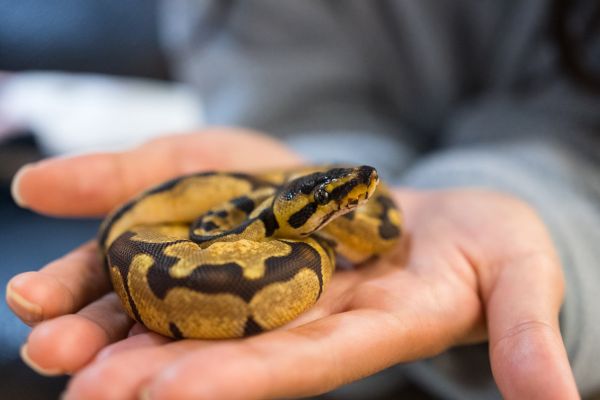
There’s something quietly fascinating about snakes. They don’t bark, they don’t demand attention, and they carry themselves with a calm, almost ancient presence. For many beginners, the idea of keeping a snake as a pet feels both intriguing and a little intimidating. But once you understand the basics of how to care for pet snakes, the process becomes far less mysterious and far more rewarding.
Caring for a snake isn’t about constant interaction—it’s about creating the right environment, respecting their nature, and paying attention to subtle cues. When you do it right, a pet snake can thrive for years, even decades, becoming a unique and surprisingly low-maintenance companion.
Understanding Snake Behavior and Needs
Before diving into the practical side of how to care for pet snakes, it helps to understand what snakes are—and what they are not. Unlike cats or dogs, snakes are not social animals. They don’t crave companionship, and they don’t form emotional bonds in the same way.
That doesn’t mean they’re unresponsive. Snakes are observant creatures. They react to their surroundings, recognize feeding routines, and can become accustomed to gentle handling. But their comfort depends on consistency, not affection.
Most pet snakes spend a large portion of their time resting or hiding. This is completely normal. A snake that is constantly active can actually be stressed. The goal isn’t to make your snake more interactive—it’s to provide a safe, stable environment where it feels secure.
Choosing the Right Snake for Beginners
If you’re just starting out, not all snakes are equal. Some species are far more manageable and forgiving than others. Beginner-friendly snakes tend to be smaller, calmer, and easier to feed.
Corn snakes, ball pythons, and king snakes are often recommended for those learning how to care for pet snakes. They adapt well to captivity, have relatively simple habitat needs, and are generally docile when handled properly.
Choosing the right species matters more than people realize. A snake that’s too large, too sensitive, or too demanding can quickly turn a rewarding experience into a stressful one. Starting simple allows you to build confidence and understanding over time.
Creating a Proper Habitat
A snake’s enclosure is its entire world. If that space is poorly designed, nothing else will compensate for it. When learning how to care for pet snakes, habitat setup is one of the most important steps.
A secure enclosure is essential. Snakes are excellent escape artists, capable of slipping through surprisingly small gaps. A well-fitting lid or locking system is not optional—it’s necessary.
Inside the enclosure, you’ll need to recreate a natural environment as much as possible. This includes proper substrate, hiding spots, and temperature control. Substrate can range from aspen bedding to coconut fiber, depending on the species. It should be clean, dry, and safe for burrowing if your snake enjoys that behavior.
Hiding spots are crucial. At least two should be provided—one on the warm side and one on the cooler side of the enclosure. Snakes rely on these spaces to feel safe. Without them, they can become stressed and refuse to eat.
Managing Temperature and Humidity
Temperature control is at the heart of how to care for pet snakes. Because snakes are cold-blooded, they rely entirely on their environment to regulate their body temperature.
A proper enclosure includes a temperature gradient. One side should be warmer, typically achieved with an under-tank heater or heat lamp, while the other remains cooler. This allows the snake to move between zones as needed.
Humidity also plays a key role, especially during shedding. Different species require different humidity levels, but maintaining the correct range helps prevent issues like incomplete sheds or skin irritation.
A thermometer and hygrometer are essential tools. Guesswork doesn’t work here. Small changes in temperature or humidity can have a big impact on your snake’s health.
Feeding Your Snake the Right Way
Feeding is often the part that makes beginners hesitate, but it quickly becomes routine. Most pet snakes eat rodents, such as mice or rats, and feeding typically happens once every one to two weeks, depending on the snake’s age and size.
Pre-killed or frozen-thawed prey is strongly recommended. It’s safer for the snake and more humane overall. Live feeding can result in injuries if the prey fights back, something many beginners don’t anticipate.
When feeding, it’s best to avoid handling your snake beforehand. Snakes can associate movement with food, and this can lead to accidental bites. After feeding, give your snake time to digest. Handling too soon can cause stress or regurgitation.
Over time, you’ll develop a rhythm. You’ll notice when your snake is ready to eat and when it prefers to be left alone.
Handling with Care and Confidence
Handling a snake for the first time can feel a bit nerve-wracking. The key is to stay calm and move slowly. Snakes are sensitive to sudden movements and vibrations.
When picking up your snake, support its body rather than grabbing it tightly. Let it move naturally through your hands. With regular, gentle handling, most snakes become accustomed to human contact.
That said, handling should never be excessive. Snakes are not pets that enjoy constant interaction. Short, calm sessions are enough to maintain familiarity without causing stress.
Learning how to care for pet snakes includes knowing when not to handle them. During shedding, after feeding, or when the snake is clearly stressed, it’s best to give them space.
Recognizing Health and Shedding Signs
A healthy snake has clear eyes, smooth scales, and a steady appetite. Changes in behavior, such as refusing food for extended periods or excessive hiding, can signal an issue.
Shedding is a natural process, and it usually happens every few weeks or months depending on growth. Before shedding, a snake’s skin may appear dull, and its eyes can turn cloudy. This is completely normal.
Providing proper humidity during this time is essential. A clean, complete shed is a sign that your care routine is working well. If shedding becomes patchy or incomplete, it’s often a sign that adjustments are needed.
Cleaning and Maintenance
Keeping the enclosure clean is an ongoing responsibility. Spot cleaning should be done regularly, removing waste and uneaten food promptly. A deeper cleaning, including replacing substrate and disinfecting surfaces, should be done periodically.
Clean water should always be available. Many snakes will drink regularly, and some even enjoy soaking in their water dish. The bowl should be large enough for this but not so large that it raises humidity beyond the desired level.
Consistency in cleaning helps prevent bacteria buildup and keeps your snake’s environment safe and comfortable.
Building a Routine That Works
One of the most reassuring aspects of learning how to care for pet snakes is realizing how routine-based it becomes. Snakes thrive on consistency. Feeding schedules, temperature stability, and minimal disruptions all contribute to their well-being.
Over time, you’ll begin to notice patterns. You’ll recognize when your snake is about to shed, when it’s hungry, and when it prefers to stay hidden. These small observations create a deeper understanding, one that doesn’t rely on constant interaction but on quiet attentiveness.
Conclusion
Caring for a snake is less about control and more about respect. It’s about understanding a creature that lives differently from most pets and meeting its needs without forcing it into human expectations.
Once you grasp the essentials of how to care for pet snakes, the process becomes surprisingly straightforward. A well-maintained habitat, proper feeding, and gentle handling are the foundation. Beyond that, it’s about patience—learning to observe rather than interfere.
In a world full of noisy, high-maintenance pets, snakes offer something different. They bring a calm presence into your space, asking for little but rewarding you with a quiet, steady kind of companionship.