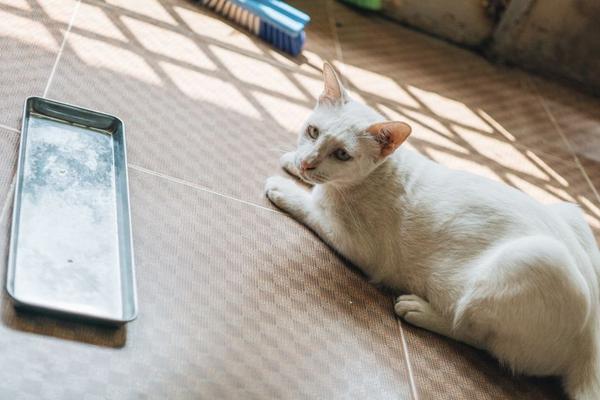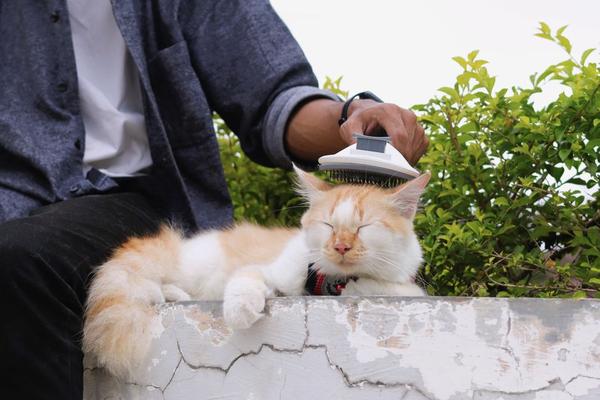
Most cats are excellent self-groomers, but brushing still helps keep the coat comfortable and manageable. If you are wondering how often should you brush a cat, there is no single schedule for every pet. Coat length, shedding, age, health and how well your cat grooms themselves all matter.
As a starting point, most healthy short-haired cats do well with a thorough brushing about once a week, while long-haired cats often need brushing every day or at least every few days. Older or less mobile cats may also benefit from more frequent help.
A Simple Cat Brushing Frequency Guide
For short haired cat grooming, a weekly session is usually enough to remove loose fur, check the skin and catch small tangles. During heavier cat shedding, brushing twice a week or more can reduce loose hair before it ends up on furniture or is swallowed during self-grooming.
Long haired cat brushing needs a more regular schedule because longer fur tangles more easily and can form mats close to the skin. Daily brushing is a sensible goal for many long-coated cats. Cats with silky coats that rarely tangle may manage with every-other-day grooming.
Medium-haired and thick-coated cats fall somewhere between these routines. Start with two or three sessions per week and adjust according to what you find. If your comb repeatedly catches tangles around the armpits, chest, belly or back legs, shorten the interval.
When Your Cat Needs More Frequent Brushing
Heavy shedding
Cats can shed throughout the year, but many shed more heavily as their coat changes with the seasons. When loose hair is coming away easily, a few extra brushing sessions each week can help. Regular brushing may also reduce swallowed hair, although it cannot guarantee that a cat will never produce a hairball.
Age, weight or limited mobility
Senior cats sometimes lose flexibility and struggle to groom the lower back, hips or base of the tail. Cats carrying excess weight can have similar difficulty. Arthritis, dental discomfort and other health problems may also reduce grooming. More frequent brushing can help prevent the coat from becoming clumped or matted.
If a previously tidy cat suddenly develops an unkempt coat, seems painful when touched or stops grooming certain areas, arrange a veterinary check rather than assuming the answer is simply more brushing.
A coat that mats easily
Two cats with similar fur length can have different needs. One long-haired cat may stay tangle-free with brushing every other day, while another develops knots quickly. If you repeatedly find tangles, increase the frequency before they tighten into mats.
How Long Should Each Brushing Session Be?
Long sessions are not automatically better. A calm five-minute session repeated regularly is often more useful than a stressful 30-minute battle once a week. Work in small sections and pay extra attention behind the ears, under the front legs, around the chest, along the belly and near the back legs.
For example, imagine a short-haired indoor cat that dislikes brushes but sheds heavily in spring. Instead of forcing one long weekly session, try two or three two-minute sessions while the cat is relaxed. Brush the back and sides first, stop before irritation starts and offer a small reward. Over several days, you can cover the coat without turning grooming into a confrontation.
Choose a Tool That Matches the Coat
A soft bristle brush or rubber grooming mitt can work well for short coats because it lifts loose hair without much pulling. A metal comb is useful for checking whether the coat is truly tangle-free.
Long coats usually benefit from a comb that can reach through the full depth of the fur, followed by a brush that collects loosened hair. Work gently in the direction the hair grows. Do not repeatedly drag a tool through a knot, as that can pull the skin.
What to Do If You Find Mats
Small, loose tangles may sometimes be teased apart carefully with your fingers and then combed from the ends toward the skin. Tight mats are different. Cat skin is thin and can be pulled up into a mat, making scissors risky.
If a mat is tight, large, painful or close to the skin, ask a veterinarian or experienced cat groomer to remove it safely. Do not force a comb through it. Once the mats are gone, shortening the time between brushing sessions can help stop them returning.
Making Brushing Easier for a Reluctant Cat
Start when your cat is calm and use as little restraint as possible. Let the cat inspect the brush, make one or two gentle passes over an easy area such as the shoulders, then stop while the experience is still positive.
Build up slowly. If your cat tolerates only 30 seconds at first, that still counts as progress. Pair grooming with a favorite treat or familiar resting spot. If your cat remains fearful or defensive, a veterinarian can help rule out pain before you work on a gradual desensitization routine.
Use Brushing Time as a Quick Health Check
Regular grooming gives you a chance to notice changes hidden under fur. Look and feel for bald patches, redness, scabs, wounds, fleas, unusual lumps and sore areas. If the skin is inflamed, the coat has widespread matting, or your cat suddenly becomes unusually sensitive, pause and seek veterinary advice.
FAQ
Should I brush my short-haired cat every day?
Daily brushing is usually not necessary for a healthy short-haired cat, although it can be fine if your cat enjoys it and the brush is gentle. Around once a week is a practical baseline, with more frequent grooming during heavy shedding or when your cat needs extra help.
Do long-haired cats need to be brushed every day?
Many do. Daily brushing is especially useful for coats that tangle easily because it catches knots before they tighten. Some long-haired cats can remain comfortable with grooming every few days, but the coat should be checked frequently.
Does brushing help with hairballs?
Brushing removes loose hair before a cat can swallow some of it during self-grooming, so it can reduce one contributor to hairballs. Repeated vomiting, frequent unproductive retching, loss of appetite or lethargy should not simply be blamed on hairballs; contact a veterinarian if those signs occur.
Can I brush a cat too much?
Yes, especially with a harsh tool, too much pressure or repeated brushing of the same area. Over-brushing can irritate the skin or damage the coat. Keep sessions gentle and stop if you see redness, discomfort or increasing agitation.
A Routine That Fits the Cat
The best cat brushing frequency is the one that keeps your individual cat comfortable without allowing loose fur, tangles or mats to build up. For many cats, that means roughly once a week for short coats and daily or every few days for long coats, with extra sessions during heavy shedding or when age and mobility make self-grooming harder.
Keep the routine short, gentle and consistent. When brushing becomes a normal part of handling rather than an occasional wrestling match, it is easier to maintain the coat, spot skin changes early and make grooming calmer for both you and your cat.