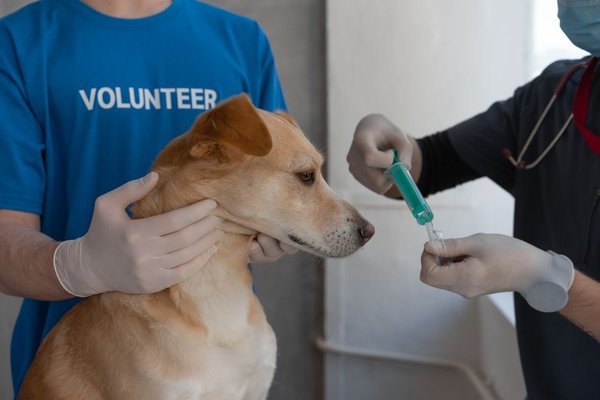
A dog that keeps licking its paws, scratching its ears or dealing with recurring stomach upsets can make food seem like the obvious culprit. Sometimes it is, but true food allergy is only one possible explanation. Fleas, environmental allergies, skin infections and other digestive problems can cause very similar signs, so changing foods at random often creates more confusion than answers.
Common food allergies in dogs are immune reactions to ingredients, usually proteins, that the dog has eaten before. A dog food intolerance is different: it can cause digestive trouble without involving the immune system. Because symptoms overlap, the most useful approach is not to guess from an ingredient list but to work through a controlled diet trial with veterinary guidance.
What Food Allergy Usually Looks Like in Dogs
Skin problems are among the most common signs. Itching may affect the paws, ears, face, belly or rear end, and unlike many seasonal allergies it can continue throughout the year. Some dogs develop repeated ear infections or secondary bacterial and yeast infections because constant scratching damages the skin barrier.
Digestive signs can occur too, including vomiting, diarrhoea, soft stools, increased bowel movements or excessive gas. A dog with both persistent itching and recurring gastrointestinal problems deserves a closer look, especially when symptoms do not clearly follow a seasonal pattern.
The Most Common Food Triggers
Dogs can become allergic to many dietary proteins, but veterinary references identify several ingredients more often than others. Beef, dairy products and chicken are common triggers, with wheat and lamb also reported frequently. Eggs, soy and other ingredients can cause reactions in some dogs as well.
This does not mean those foods are inherently bad. An allergy develops because an individual dog’s immune system reacts abnormally to a dietary component. A dog may eat chicken for years before showing a problem, while another dog may tolerate it for life.
It is also easy to blame grains too quickly. Although wheat can be involved, animal proteins are common allergens too. Switching automatically to a grain-free food can therefore miss the actual trigger.
Food Allergy Versus Food Intolerance
The words allergy and intolerance are often used interchangeably, but they are not identical. A food allergy involves an immune response. Food intolerance is a non-immune adverse reaction to something eaten. Both can cause gastrointestinal signs, which is why symptoms alone cannot reliably separate them.
For owners searching for an itchy dog skin food solution, there is no single ingredient that fixes every case. The goal is to identify what the individual dog can eat without triggering symptoms while ruling out other causes of itching or digestive upset.
Why an Elimination Diet Is the Key Test
Blood, saliva, hair and routine skin tests are not considered reliable ways to diagnose canine food allergy. The reference-standard approach is a strict elimination diet followed by a controlled food challenge.
An elimination diet dog plan usually uses either a veterinary hydrolysed diet, in which proteins are broken into smaller fragments, or a carefully selected novel-protein diet containing ingredients the dog has not previously eaten. The diet should be nutritionally complete and appropriate for the dog.
Diet trials commonly continue for several weeks, and skin cases may need around 10 weeks or longer for a reliable assessment. During that period, the trial food must be the only food entering the dog’s mouth unless the veterinarian approves something else.
The Tiny Extras That Can Ruin a Diet Trial
Imagine a dog eating a prescription hydrolysed diet perfectly at breakfast and dinner but receiving a chicken-flavoured dental chew every evening. If chicken is the trigger, that single treat can keep symptoms going and make the new diet appear ineffective.
Check treats, table scraps, chewable medications, flavoured supplements, pill pockets and edible chews. In multi-dog homes, separate feeding may also be necessary to stop the trial dog from finishing another pet’s leftovers.
What Happens After the Dog Improves?
Improvement on the trial diet is encouraging, but it does not by itself prove a food allergy. Symptoms can improve for other reasons, including better flea control, treatment of a skin infection or seasonal changes in environmental allergens.
Confirmation usually involves reintroducing the previous diet or suspected ingredient under veterinary direction. If itching, ear problems or digestive signs return and then settle again when the elimination diet resumes, the evidence for a food-triggered reaction becomes much stronger.
Choosing a Long-Term Diet
Once a trigger is identified, management is usually straightforward in principle: avoid that ingredient. A suitable long-term food should be complete and balanced, appropriate for the dog’s life stage, and free from the confirmed trigger.
Some dogs stay on prescription hypoallergenic dog food because it is convenient and tightly controlled. Others can move to a diet built around ingredients they have successfully tolerated. Over-the-counter limited-ingredient foods may be useful for some pets, but manufacturing cross-contact can make them less dependable for a strict diagnostic trial.
Home-prepared diets should not be improvised for long-term feeding. If a homemade plan is needed, a veterinarian or veterinary nutrition specialist can help ensure it supplies the nutrients the dog requires.
When to Speak to a Vet
Persistent itching, repeated ear infections, vomiting, diarrhoea, weight loss or recurring skin infections warrant veterinary assessment. Seek care sooner if symptoms are severe, the dog seems unwell, or there is facial swelling, collapse or breathing difficulty.
A veterinarian can also treat secondary infections and check for fleas, parasites and environmental allergies. Some dogs have more than one problem at the same time, so identifying a food allergy does not automatically explain every episode of itching.
FAQ
What is the most common food allergy in dogs?
Beef, dairy and chicken are among the most frequently reported food allergens in dogs, with wheat and lamb also commonly implicated. However, an individual dog can react to other dietary proteins.
How long does an elimination diet take to work?
Some dogs improve earlier, but skin-related diet trials often need many weeks. Veterinary guidance commonly allows roughly 8 to 12 weeks, with around 10 weeks or more sometimes needed to identify food-allergic dogs reliably.
Can I test my dog for food allergies with a blood test?
Commercial blood, saliva and similar tests are not considered reliable for confirming food allergy in dogs. A strict elimination diet followed by a controlled re-challenge remains the dependable diagnostic method.
Does hypoallergenic dog food cure food allergies?
It does not cure the immune tendency, but the right diet can prevent symptoms by avoiding triggering ingredients. Some dogs do well on hydrolysed prescription diets, while others can eat a balanced diet containing tolerated proteins.
A More Reliable Way to Find the Trigger
Food allergy is a diagnosis that rewards patience. Rather than cycling through bags of food whenever symptoms flare, use a structured elimination trial, control every treat and flavoured extra, track changes in itching and digestion, and confirm improvement with a supervised challenge. That process takes longer than guessing, but it gives you a far better chance of finding a diet your dog can live comfortably on for the long term.