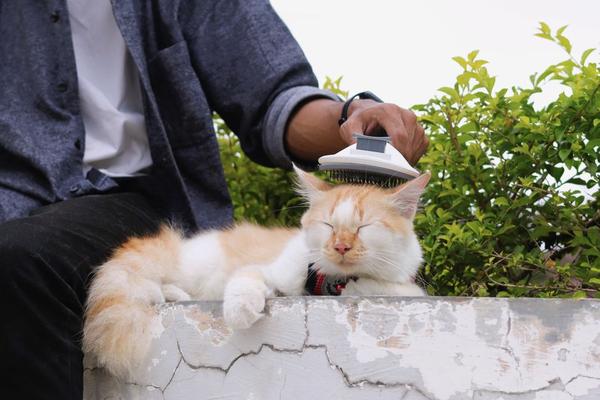
Cat dental care at home works best when it becomes a small, ordinary part of the week rather than a once-a-year concern. Cats are good at hiding discomfort, and mouth pain can develop quietly until eating, grooming, or mood changes become noticeable. A simple routine of gentle mouth checks, tooth brushing, and veterinary dental care can help reduce plaque and make problems easier to spot early.
Start with what a healthy cat mouth looks like
You do not need to pry your cat’s mouth open for a long inspection. When your cat is relaxed, gently lift the lip on each side and look at the visible teeth and gumline. Healthy gums are usually pink rather than bright red or swollen, and the teeth should not be covered in heavy yellow-brown tartar. A mild food smell can be normal, but persistent, strong cat bad breath deserves attention because it may accompany dental disease.
Watch your cat at mealtimes too. Chewing on one side, dropping food, pawing at the mouth, suddenly preferring soft food, drooling, or walking away from a favorite meal can all suggest oral discomfort. Cats may continue eating despite dental pain, so a normal appetite does not guarantee a healthy mouth.
How to brush cat teeth without turning it into a battle
Brushing is one of the most useful home habits for controlling plaque, but success depends more on patience than force. If your cat has never had a toothbrush near its mouth, do not expect a full brushing session on day one. Build the routine in stages and stop before your cat becomes frightened or defensive.
Introduce the routine gradually
Begin by letting your cat sniff a pet toothbrush and taste a tiny amount of toothpaste made specifically for cats. On another day, gently lift the lip and touch a finger near the outside of a canine tooth, then reward calm behavior. Once that feels routine, introduce the brush for a few seconds at a time and gradually extend the session.
One practical approach is to pair brushing with an event your cat already likes. If your cat waits for an evening treat, spend ten seconds touching the lips or brushing a few outer tooth surfaces immediately before the reward. That predictable sequence can make feline dental care feel less like restraint and more like part of the normal routine.
Focus on the outer tooth surfaces
Use a small, soft pet toothbrush or another veterinary-recommended brush. Gently lift the lip and brush along the outside surfaces where the teeth meet the gums. You do not need to force the mouth wide open. Short, calm sessions are more useful than occasional stressful ones.
Never use human toothpaste. Products made for people are designed to be spat out and may contain ingredients that are inappropriate or unsafe for cats. Use toothpaste or oral products labeled for cats, and ask your veterinarian if you are unsure which product is suitable.
Daily brushing is ideal, but consistency matters most
Plaque forms continuously, so frequent brushing gives the best chance of disrupting it before it hardens into tartar. If daily brushing is realistic and your cat accepts it, that is a strong goal. If not, work toward the most consistent schedule your cat will tolerate rather than giving up because perfection is difficult.
If brushing is not possible, ask your veterinarian about alternatives. Some dental diets, treats, wipes, gels, or water additives have evidence for reducing plaque or tartar. Products carrying the Veterinary Oral Health Council seal have met defined standards for their stated dental claim. These options can support cat gum health, but they cannot cure painful teeth or established periodontal disease.
Home care cannot remove established dental disease
Brushing can help control fresh plaque, but it does not safely remove hardened tartar below the gumline, treat tooth resorption, or repair diseased teeth. Cats can develop painful conditions that are not obvious from the visible tooth surface. A veterinary dental assessment may require examination under anesthesia and dental X-rays to evaluate areas hidden below the gums.
If your cat already has red, bleeding, or sore gums, do not simply brush harder. Brushing an inflamed mouth can cause pain and make the cat resistant to future handling. Arrange a veterinary examination first. After painful disease has been treated, your veterinarian can advise when to restart home care.
Signs that mean it is time to call the vet
Book a veterinary appointment if you notice persistent bad breath, red or bleeding gums, broken or loose teeth, heavy tartar, drooling, facial swelling, or repeated pawing at the mouth. Changes in eating behavior also matter, especially dropping food, chewing strangely, refusing crunchy food, or seeming hungry but backing away from the bowl.
A cat that stops eating needs prompt veterinary attention. Mouth pain is only one possible cause, and cats can become seriously unwell when they do not eat adequately. Do not wait for a routine dental-cleaning date if your cat appears painful, has facial swelling, is bleeding from the mouth, or cannot eat normally.
Build a routine that is easy to maintain
A useful home routine can be simple: check the gumline briefly once or twice a week, brush as often as your cat comfortably allows, and mention any changes at veterinary visits. Keep the toothbrush with your cat’s grooming supplies so the habit is easy to remember.
Dental care also fits naturally with broader preventive topics. Useful internal-link topics for a cat health site include cat grooming basics, signs your cat needs a vet, and preventive health checks for cats.
Frequently asked questions
How often should I brush my cat’s teeth?
Daily brushing is the most effective home routine for plaque control if a cat accepts it. If daily brushing is not practical, aim for a consistent schedule and ask your veterinarian which additional dental products may help.
Can I use a human toothbrush and toothpaste?
A small, soft toothbrush may sometimes be suitable if your veterinarian approves it, but human toothpaste should not be used. Choose toothpaste made for cats because it is formulated for feline oral care.
Why does my cat have bad breath even though it still eats normally?
Persistent bad breath can occur with plaque, gingivitis, periodontal disease, damaged teeth, or other oral problems. Cats often keep eating despite pain, so normal eating does not rule out dental disease. A veterinary mouth examination is sensible if the odor is ongoing.
Do dental treats replace tooth brushing?
No. Evidence-backed dental treats and diets can be useful additions, especially for cats that will not tolerate brushing, but they do not replace a veterinary assessment or treat painful dental disease. Look for products with a recognized dental claim and choose them with your veterinarian’s guidance.
A small habit with a big preventive role
Good cat dental care at home is less about perfectly white teeth and more about reducing plaque, noticing changes early, and protecting your cat from avoidable mouth pain. Keep brushing gentle, use products made for cats, and treat reluctance to eat or signs of sore gums as health signals. Combined with regular veterinary dental checks, a calm home routine can make oral care easier for you and your cat.