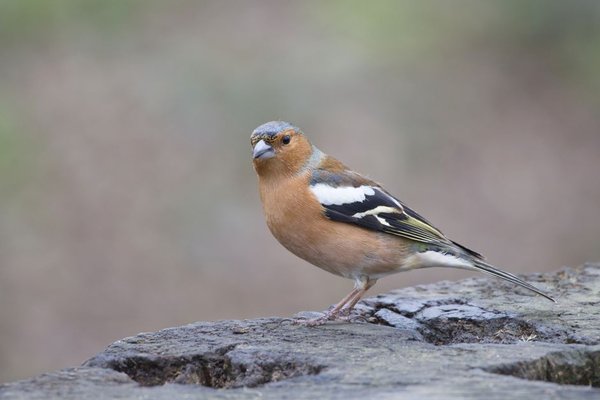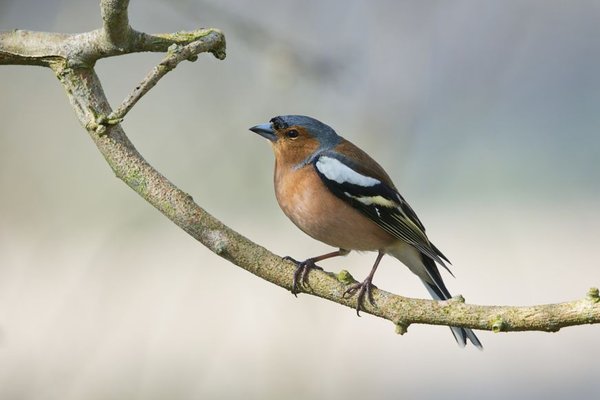
A bird lands on a fence for three seconds, vanishes into a hedge, and leaves you wondering what you saw. Learning how to identify British birds is less about memorising photographs than noticing useful clues in the right order. Shape, colour, movement, sound and setting work together. Even when you cannot name a bird, careful observations can help you recognise it next time.
Follow the same identification method every time
Before reaching for an app or field guide, ask five questions: How big was it? What was its outline? Which markings stood out? How did it move or sound? Where and when did you see it? This sequence stops an eye-catching colour from distracting you from everything else.
Compare size with familiar birds instead of guessing centimetres. Was it smaller than a Robin, about Blackbird size, or nearer a Woodpigeon? Distance distorts estimates, so be flexible. For bird identification in the UK, several supporting clues beat one apparently perfect match.
Start with shape and proportions
Notice the overall silhouette
Is the bird round and compact, slender and upright, or broad-winged and heavy? Look at tail length, head size and posture. A Wren is tiny and rounded, often holding its short tail upwards. A Grey Heron has long legs and usually folds its neck into an S shape in flight. Those outlines help even when colours disappear against a bright sky.
Check the bill, wings and tail
A House Sparrow’s thick, conical bill contrasts with a Robin’s slimmer, pointed bill. Bill shapes suggest feeding habits, although they rarely identify a species alone. For birds overhead, notice whether the wings are pointed or rounded and whether the tail is forked or fan-shaped.
A Red Kite typically shows long, angled wings and a forked tail; a Common Buzzard generally has broader wings and a shorter, more rounded tail. Feather wear and viewing angle can change the impression, so use flight behaviour as another check.
Look for patterns rather than colours alone
Instead of recording ‘a brown bird’, note where each colour appears: crown, face, throat, breast, wings and tail. Useful bird field marks include a pale eyebrow, wing bars, a contrasting cheek or streaks down the chest. Location matters as much as the colour itself.
Blue Tits and Great Tits both appear in British gardens. A Blue Tit has a blue crown and wings and is generally smaller. A Great Tit has a black head with white cheeks and a bold black stripe on its yellow underside. Those combinations are more reliable than calling both ‘yellow birds’.
Lighting can be deceptive. Birds viewed from below may look almost black, and woodland shade dulls bright plumage. Females, juveniles and birds in different seasonal plumages can also differ from familiar guidebook images. When colour is uncertain, return to shape.
Use bird calls as another piece of evidence
Listen for rhythm before trying to name a sound. Is it fast or measured, repeated or variable, sharp or fluty? Songs often contain longer sequences, while calls are commonly shorter, but the distinction is not absolute.
The Chiffchaff’s repeated two-part spring song is a helpful starting sound. Wrens produce surprisingly loud, rapid trills. Robins sing fluid phrases punctuated by pauses, while Blackbirds often give rich, mellow whistles. Remember that one species can make several very different sounds.
Learn five familiar local voices first. Compare recordings with birds you can see, and try remembering the sound in your own words. A guide to common British bird songs is useful practice. Sound-identification apps can suggest candidates, but should not replace a careful check.
Watch how the bird moves
Behaviour can separate similar-looking birds. Dunnocks often creep beneath shrubs, feeding quietly on the ground; House Sparrows are frequently seen chattering in groups. Treecreepers usually work upwards on trunks, while Nuthatches can travel headfirst down them.
Notice whether a bird hovers, probes mud, walks across grass or flits through branches. None of these actions guarantees an identification, but each can narrow the possibilities when combined with shape and markings.
Use habitat and season to test your guess
Record where you saw the bird: coastal mudflat, reedbed, woodland, garden or open farmland. Was it high in a tree, beneath a feeder or beside water? Habitat can eliminate unlikely candidates, although birds do turn up outside their usual settings.
Season matters as well. Some British birds are resident, others visit mainly in summer or winter, and migration changes what you are likely to encounter. Check local distribution and time of year before confidently naming an unfamiliar species.
Try the method: Sparrow or Dunnock?
Imagine seeing a small streaky bird beneath a garden hedge. You initially think ‘sparrow’, but pause. It has a fine bill, a slim body and a greyish head. It moves quietly through low vegetation, mostly alone, picking at the soil.
Those clues favour a Dunnock over a House Sparrow. If the bird instead had a chunkier bill and was calling among several companions, you would investigate House Sparrow. This is what makes a guide to small brown British birds especially useful: it helps you compare likely lookalikes rather than guessing from one feather colour.
Record what you saw before checking a guide
When the bird leaves, jot down size, shape, three noticeable marks, movement, sound, habitat, place and date. Sketching the tail or bill can help more than a long description. Check your notes against reliable resources from the RSPB or British Trust for Ornithology, including illustrations of males, females and young birds.
Use photographs and identification apps as supporting evidence, not verdicts. For an uncertain sighting, write down two candidate species and the feature you need to check next time. A simple birdwatching checklist makes this habit easier to repeat.
Frequently asked questions
What is the easiest way to identify a British bird?
Estimate size and silhouette, then check distinguishing markings, behaviour, habitat and sound. Match several clues with a reliable field guide rather than deciding from colour alone.
Can I identify UK birds just by their calls?
Sometimes, particularly with distinctive songs. However, species can have multiple vocalisations and several birds sound alike. Consider the season, habitat and any visual evidence before deciding.
Why do young birds look different from photographs?
Juvenile plumage may be duller or more streaked than adult plumage. Sex and seasonal moult can also affect appearance. Look for structural clues and consult a guide showing different ages.
What if I still cannot identify the bird?
Leave it unconfirmed. Keep your notes, compare likely species and look for a distinguishing feature next time. An accurate unknown is better than a forced answer.
Build confidence through repeated sightings
British bird identification becomes easier when every encounter is a small investigation. Start with shape, refine with pattern, listen carefully and test your idea against movement, habitat and season. Practising this sequence on familiar birds builds the judgement needed for unfamiliar ones. You do not need an answer every time to become a better observer.