Factory farming has transformed the way much of the world produces meat, eggs, and dairy. It has made animal products widely available, helped supermarkets maintain steady supplies, and lowered prices for consumers. Yet behind this efficiency lies a system that raises serious questions about animal welfare, environmental damage, public health, and the true cost of inexpensive food.
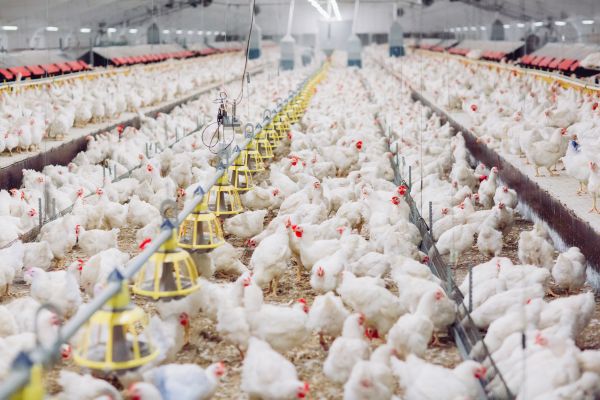
The term factory farming generally describes large-scale, intensive agricultural operations where many animals are kept in controlled environments to maximize production. Chickens, pigs, cattle, and other farm animals may spend most or all of their lives indoors, often in highly crowded conditions. Feeding, breeding, lighting, temperature, and movement are carefully managed to increase output.
For consumers, the final product may look ordinary when it reaches a store shelf. The reality of how it was produced is usually much harder to see.
How Factory Farming Became So Widespread
Modern factory farming developed as food production became increasingly industrialized. As populations grew and cities expanded, farmers and food companies faced pressure to produce greater quantities of animal products at lower prices.
Traditional farms were often smaller, with animals kept outdoors or in mixed farming systems. Industrial operations took a different approach. They concentrated animals in large facilities and used standardized feeding programs, automated equipment, selective breeding, and tightly controlled schedules.
The system proved highly productive. A single facility could raise thousands of pigs or tens of thousands of chickens at one time. Processing became faster, distribution networks became larger, and consumers gained access to relatively cheap meat throughout the year.
Efficiency, however, became the central goal. The individual needs of animals were often treated as secondary concerns.
Crowded Living Conditions and Restricted Movement
One of the most criticized features of factory farming is the amount of space given to animals. In intensive systems, animals may be housed in cages, crates, pens, or sheds where movement is severely limited.
Egg-laying hens, for example, may be kept in small cages with several other birds. Pigs used for breeding may spend long periods in narrow stalls that prevent them from turning around. Meat chickens are often raised in crowded sheds where the floor becomes increasingly covered with waste as the birds grow.
These conditions can prevent animals from expressing basic natural behaviors. Chickens may be unable to forage, dust-bathe, perch, or stretch their wings freely. Pigs may have little opportunity to root, explore, or build nests. Cattle may spend much of their time standing on hard surfaces instead of grazing.
The issue is not simply that the animals live indoors. Good indoor systems can provide shelter and protection from extreme weather. The deeper concern is whether animals have enough room, stimulation, comfort, and freedom to behave in ways that are natural to their species.
The Physical Effects of Intensive Production
Factory farming does not only limit movement. It can also place extraordinary physical demands on animals.
Selective breeding has produced animals that grow faster or generate more milk and eggs than earlier generations. Broiler chickens, raised for meat, can reach slaughter weight in a matter of weeks. Their rapid growth may place strain on their legs, hearts, and lungs. Some birds struggle to walk properly because their bodies grow faster than their skeletal systems can comfortably support.
Dairy cows may produce very large quantities of milk, which can increase the risk of udder infections, lameness, and metabolic stress. Breeding sows may experience repeated cycles of pregnancy and nursing, while laying hens are expected to produce eggs at a rate far beyond what would occur naturally.
When productivity becomes the main measure of success, an animal can appear valuable to the system even while experiencing chronic discomfort. This is one of the central ethical concerns surrounding factory farming: high output does not necessarily mean good health or a good quality of life.
Stress, Boredom, and Abnormal Behavior
Animals are not machines, even when they are raised in highly mechanized environments. They respond to stress, fear, confinement, noise, social disruption, and lack of stimulation.
In crowded facilities, animals may become aggressive or develop repetitive behaviors. Pigs may bite the tails of other pigs. Chickens may peck each other excessively. Confined animals may repeatedly chew bars, pace within limited spaces, or make the same movements again and again.
These behaviors are often signs that the environment is failing to meet their psychological and behavioral needs.
Rather than changing the conditions, some farming systems use physical procedures to reduce injuries. Chickens may have part of their beaks removed, piglets may have their tails shortened, and calves may undergo procedures such as disbudding. Pain relief practices vary widely depending on the country, industry, and farm.
Such procedures are sometimes defended as necessary to prevent animals from harming one another. Critics argue that they often address the symptoms of overcrowding rather than the cause.
Disease Risks and the Use of Antibiotics
Keeping large numbers of animals close together can increase the risk of disease spreading quickly. Poor ventilation, accumulated waste, stress, and genetic similarity may further weaken animal health or allow infections to move through a facility.
To manage these risks, some intensive farming systems have relied heavily on antibiotics. These medicines may be used to treat illness, prevent outbreaks, or support production under stressful conditions.
The concern extends beyond the farm. Overuse of antibiotics can contribute to the development of antibiotic-resistant bacteria. When bacteria become resistant, important medicines may no longer work as effectively in animals or humans.
Many countries have introduced tighter rules on routine antibiotic use in agriculture. Even so, the issue remains closely connected to factory farming because crowded conditions can create an environment where disease prevention is difficult without medication.
Better hygiene, lower stocking densities, stronger animal genetics, improved ventilation, and reduced stress can all help limit the need for antibiotics. These changes may cost more, but they address the conditions that make frequent treatment necessary.
Waste, Air Pollution, and Water Contamination
Factory farming also creates environmental challenges. Large animal facilities produce enormous amounts of manure, often concentrated in a relatively small area.
On smaller mixed farms, manure can be used as fertilizer in quantities that the surrounding soil can absorb. In industrial systems, the volume may exceed what nearby land can safely handle. Waste may be stored in pits, tanks, or open lagoons before being spread on fields.
Leaks, spills, and runoff can contaminate rivers, groundwater, and drinking supplies. Excess nutrients can encourage algae growth in waterways, reducing oxygen and harming fish and other aquatic life.
Air quality is another concern. Animal waste can release ammonia, methane, hydrogen sulfide, and unpleasant odors. Farm workers and nearby residents may experience respiratory irritation or reduced quality of life when facilities are poorly managed.
The environmental footprint also includes the large amount of grain, water, energy, and land required to feed industrially raised animals. Forests and grasslands may be cleared to grow crops such as corn and soy for livestock feed.
The Human Cost Behind Cheap Animal Products
Discussions about factory farming often focus on animals, but people are also affected.
Workers in industrial farms and slaughterhouses may face physically demanding conditions, repetitive injuries, exposure to dust and chemicals, and emotional strain. Fast production lines can increase the risk of accidents, particularly when workers feel pressure to maintain speed.
Rural communities may also experience changes when large farming operations replace smaller independent farms. Local ownership can decline, economic power may become concentrated, and farmers may depend on contracts with major corporations.
Consumers benefit from lower prices, but those prices may not include the full cost of pollution, health risks, worker injuries, animal suffering, and public spending on environmental cleanup.
Cheap food is not always truly cheap. Sometimes the cost is simply paid elsewhere.
Can Animal Welfare Improve Within the System?
Not every large farm operates in exactly the same way. Some producers have adopted welfare improvements such as larger living spaces, enriched housing, outdoor access, slower-growing breeds, better bedding, improved veterinary care, and reduced use of cages and crates.
These changes can make a meaningful difference. A chicken given space to walk and perch has a different life from one kept in severe confinement. A pig provided with straw and room to explore is less likely to experience the frustration associated with an empty concrete pen.
However, labels such as “cage-free,” “free-range,” and “humanely raised” can be confusing. Standards vary, and a positive-sounding label does not always guarantee excellent conditions. Cage-free hens, for instance, may still live in large crowded barns with limited outdoor access.
Greater transparency is essential. Consumers need clear information about housing, transport, medical procedures, breeding practices, and slaughter conditions, rather than vague claims or attractive packaging.
Rethinking Consumption and Food Choices
The future of factory farming will not be shaped by farmers alone. Food companies, governments, retailers, restaurants, and consumers all influence how animals are raised.
Some people respond by avoiding animal products entirely. Others reduce their meat consumption, choose higher-welfare options, buy from local farms, or treat meat as an occasional food rather than the center of every meal.
There is no single choice that fits every household. Price, availability, culture, nutrition, and personal beliefs all matter. Still, reducing waste and consuming animal products more thoughtfully can ease pressure for maximum production at the lowest possible cost.
Plant-based foods, cultivated meat, fermentation-based proteins, and improved farming methods may also change the food system over time. These alternatives are still developing, but they reflect growing public concern about how food is produced.
A More Honest View of Factory Farming
Factory farming exists because it is highly efficient at producing large quantities of food. That efficiency has brought real benefits, including affordability and reliable supply. But it has also created a system in which animals can be treated as units of production rather than living creatures with physical and behavioral needs.
The consequences reach far beyond the walls of a farm. They affect waterways, air quality, antibiotic effectiveness, rural communities, workers, and public trust in the food system.
Improving animal welfare will require more than changing a label or adjusting one small part of production. It means reconsidering how animals are bred, housed, handled, transported, and ultimately valued. It also means accepting that food produced under better conditions may cost more.
Factory farming is not only an agricultural issue. It is a reflection of the choices society makes about convenience, price, responsibility, and compassion. Looking closely at those choices may be uncomfortable, but it is necessary if the future of food is to become more humane, sustainable, and honest.