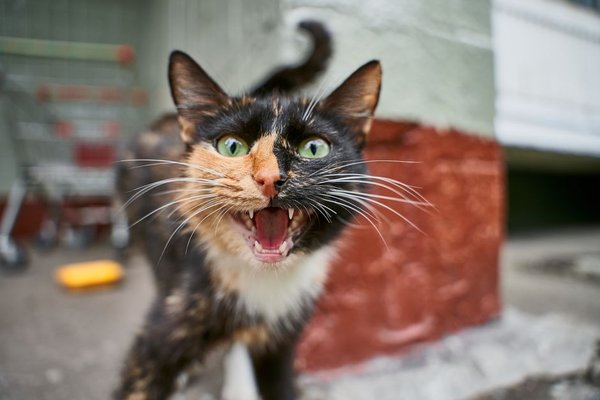
The phrase Endangered species can sound distant at first, almost like something from a wildlife documentary or a school textbook. Yet behind those two words are living animals and plants trying to survive in a world that is changing faster than many of them can handle. A tiger moving silently through a shrinking forest, a sea turtle returning to a beach brightened by city lights, a tiny frog losing its wetland home—each one is part of a larger story about nature, balance, and responsibility.
Endangered species are not only rare creatures. They are signals. They tell us when forests are being cut too quickly, oceans are becoming polluted, rivers are losing their life, or climate patterns are shifting in harmful ways. Learning about them is not just about feeling sorry for animals at risk. It is about understanding how closely life on Earth is connected, including our own.
What Endangered Species Really Means
An endangered species is a type of animal, plant, or other living organism that faces a serious risk of disappearing from the wild. Some species become endangered because their numbers drop sharply. Others may still have a fair number of individuals left, but their habitat becomes so damaged or limited that their future is uncertain.
There are different levels of concern. Some species are considered vulnerable, meaning they are at risk but not yet in the most dangerous position. Others are endangered or critically endangered, which means their survival is under much greater pressure. Extinction is the final stage, when no living members of that species remain.
What makes this especially serious is that extinction is permanent. Once a species is gone, it cannot simply be brought back like a broken object being repaired. Its role in nature disappears with it. Its behaviors, genes, beauty, and connection to the environment are lost forever.
Why Species Become Endangered
Most endangered species do not reach that point because of one single problem. Usually, several pressures build up over time. Habitat loss is one of the biggest causes. When forests are cleared for farming, roads, housing, mining, or industry, animals lose the places where they feed, breed, hide, and raise their young. Even when some land remains, it may be broken into small pieces, making it harder for wildlife to move safely.
Pollution is another major threat. Plastic waste harms marine animals. Chemicals can poison rivers and soil. Oil spills damage coastal life. Air pollution affects plants and changes ecosystems in ways that may not be visible immediately but become serious over time.
Illegal hunting and wildlife trade also push many animals toward extinction. Some are hunted for their skins, horns, shells, meat, or use in illegal markets. Others are captured and sold as exotic pets. For many species, even a small amount of hunting can be devastating when their population is already low.
Climate change adds another layer of danger. Warmer temperatures, changing rainfall, rising seas, and stronger storms affect habitats across the world. Animals and plants that depend on very specific conditions may struggle to adapt. A polar bear needs sea ice. Coral reefs need stable ocean temperatures. Mountain species may have nowhere higher to go as temperatures rise.
The Hidden Importance of Every Species
It is easy to think that losing one species may not matter much, especially if it is an animal most people never see. But nature does not work in isolation. Each species plays a role, sometimes in ways we notice and sometimes in ways we only understand after damage has already happened.
Bees, butterflies, bats, and birds help pollinate plants, including many crops. Predators help control populations of other animals, keeping ecosystems balanced. Scavengers clean up dead matter and reduce the spread of disease. Plants protect soil, store carbon, produce oxygen, and provide food and shelter for countless living things.
When one species disappears, the impact can move through the ecosystem like a loose thread pulled from fabric. One loss can affect food chains, plant growth, soil health, and water systems. Sometimes the effects are slow. Sometimes they are dramatic. Either way, the disappearance of endangered species weakens the natural systems that all life depends on.
Endangered Species and Human Life
Protecting endangered species is not only about saving wildlife for emotional or moral reasons, though those reasons matter. It also connects directly to human well-being. Healthy ecosystems support clean water, fertile soil, fresh air, medicine, food security, and climate stability.
Many medicines have been developed from compounds found in plants, fungi, and animals. If species vanish before they are studied, we may lose future medical discoveries without ever knowing they existed. Forests and wetlands help reduce flooding, store carbon, and filter water naturally. Oceans support food systems and livelihoods for millions of people.
There is also a cultural side. Many communities have deep connections with local wildlife. Animals and plants appear in traditions, stories, art, language, and identity. When species disappear, part of that cultural memory fades too.
Famous Examples That Tell a Bigger Story
Some endangered species are well known because their stories have reached people around the world. Tigers, for example, are powerful symbols of wild beauty, but they have lost much of their historical range. Their future depends on protected forests, anti-poaching efforts, and reducing conflict between people and wildlife.
Elephants face pressure from habitat loss and illegal ivory trade. They are also important ecosystem engineers. As they move, feed, and dig, they shape landscapes and help other species survive. Sea turtles are threatened by plastic pollution, fishing nets, coastal development, and climate effects on nesting beaches. Their long journeys across oceans make their protection a global responsibility.
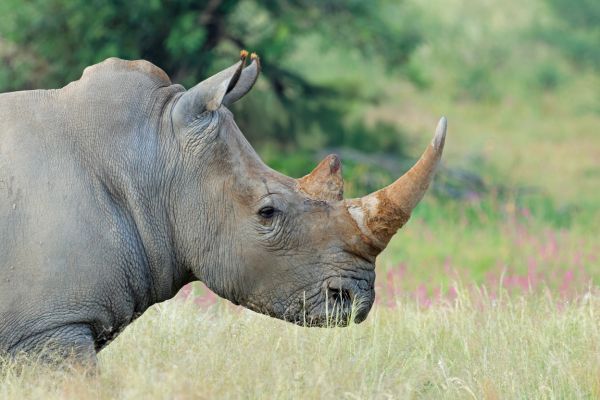
Rhinos, orangutans, snow leopards, gorillas, pangolins, and many lesser-known frogs, birds, insects, and plants all carry similar lessons. Their survival depends not on one grand solution, but on steady protection, better choices, and respect for the places they call home.
The Problem with Ignoring Lesser-Known Species
Large animals often get the most attention because they are easy to admire. A panda or tiger naturally draws public interest. But endangered species also include small fish, rare flowers, insects, reptiles, fungi, and freshwater creatures that may never appear on posters or in films.
These less famous species can be just as important. A tiny insect may pollinate a specific plant. A small fish may support a river food chain. A rare plant may hold value for soil health, medicine, or local wildlife. The challenge is that many species become endangered quietly. They decline before most people even learn their names.
This is why conservation cannot only focus on the most beautiful or popular animals. It must protect habitats and ecosystems as a whole. When a forest, wetland, grassland, reef, or river is protected, many species benefit at the same time, including the ones we may not yet fully understand.
How Conservation Helps
Conservation is the careful protection and restoration of nature. It can happen in many ways. Protected areas such as national parks, wildlife reserves, and marine sanctuaries give species safer places to live. Habitat restoration brings damaged environments back to life by planting native trees, cleaning rivers, rebuilding wetlands, or removing invasive species.
Anti-poaching work helps protect animals from illegal hunting. Wildlife corridors allow animals to move between habitats without becoming trapped in isolated areas. Breeding programs can support species with very low populations, though they work best when there is still safe habitat for animals to return to.
Local communities are often central to successful conservation. People who live near forests, rivers, and wildlife areas understand the land closely. When conservation respects local needs and includes communities in decision-making, protection becomes stronger and more realistic. Nature cannot be protected well by excluding the people who live alongside it. It works better when people and wildlife are considered together.
Everyday Choices That Make a Difference
Protecting endangered species can feel like a huge task, but ordinary choices matter more than they may seem. Reducing plastic use helps oceans and marine animals. Choosing products made without destroying forests can reduce pressure on wildlife habitats. Avoiding items made from endangered animals is essential. Supporting responsible travel, respecting wildlife from a distance, and not buying exotic pets also help.
Education matters too. The more people understand endangered species, the harder it becomes to ignore their decline. Sharing accurate information, teaching children about nature, and paying attention to how daily habits affect the environment can create long-term change.
Even small actions become meaningful when many people take them seriously. A single reusable bottle will not save the ocean, but millions of better choices can reduce waste. One restored garden may seem small, but many native gardens can help pollinators and birds. Conservation grows through awareness, patience, and repeated effort.
Learning to See Nature Differently
At the heart of protecting endangered species is a shift in how we see the natural world. Nature is not just scenery in the background of human life. It is the living system that supports us. Every forest, river, coral reef, desert, and grassland holds relationships built over thousands or even millions of years.
When a species becomes endangered, it is often because those relationships have been disturbed. Learning about endangered species teaches us to look more carefully. It asks us to notice the cost of convenience, the value of wild places, and the quiet importance of creatures that may never directly serve us but still deserve to exist.
There is something humbling about that. A species does not need to be useful to humans to have value. Its life has meaning within the larger web of Earth. Protecting it is an act of respect, but also an act of wisdom.
Conclusion
Endangered species remind us that life on Earth is both strong and fragile. Many animals and plants have survived harsh climates, natural disasters, and changing landscapes for ages, yet modern pressures have pushed them into danger at alarming speed. Their struggle is not separate from ours. It reflects the health of forests, oceans, rivers, and the climate systems we all depend on.
To learn about endangered species is to understand that protection begins with awareness. It grows through better choices, stronger conservation, respect for habitats, and a willingness to see nature as something more than a resource. We may not be able to save every species alone, but we can be part of a culture that values life before it disappears.
In the end, protecting endangered species is not only about preserving rare animals and plants. It is about protecting the richness, balance, and wonder of the world we share.