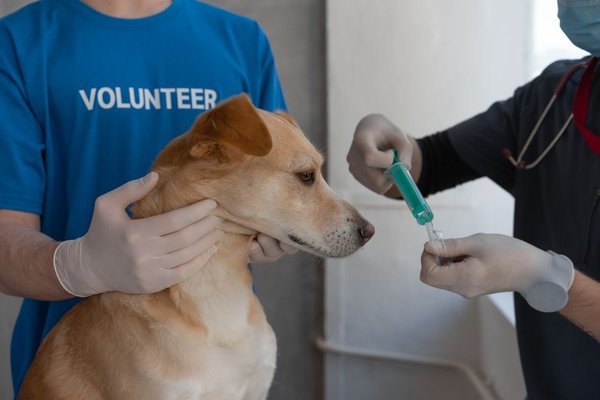
For new owners, a dog vaccination schedule in the UK can look simple: a puppy course, a first booster, then regular vaccinations for life. In practice, exact dates and products vary between veterinary practices, vaccine manufacturers and individual dogs. Your vet will use your dog’s age, previous records, health, lifestyle and local disease risk to decide what is due and when.
What vaccines do dogs commonly receive in the UK?
Routine dog vaccines in the UK protect against serious infectious diseases. PDSA advises vaccination against parvovirus, distemper, leptospirosis and infectious hepatitis, which may appear on records as canine adenovirus. These diseases can cause severe illness and can be fatal.
Other vaccinations depend on risk. Kennel cough vaccination may be recommended for dogs that attend daycare, training classes or boarding kennels. Rabies vaccination is not part of the routine domestic programme in Great Britain, but it is required for many forms of international pet travel.
Typical puppy vaccination schedule
Puppy vaccinations in the UK usually begin at around six to eight weeks of age. Many practices use a two-dose primary course, with injections roughly two to four weeks apart. A common example is a first visit at eight weeks and a second at around twelve weeks, although some puppies need different timing or an additional dose.
Schedules vary partly because antibodies inherited from the mother can interfere with the response to some vaccines. WSAVA guidance recommends repeating core puppy vaccines against distemper, adenovirus and parvovirus every two to four weeks until at least 16 weeks of age. UK vets may therefore tailor the puppy vaccine schedule according to the product, the puppy’s age and local disease risk.
When can a puppy go outside?
Do not assume a puppy is fully protected immediately after the final injection. PDSA notes that protection can take around two to four weeks after the last vaccination in the primary course. Your vet should tell you when normal walks and contact with unfamiliar dogs are appropriate.
Young puppies can still have controlled socialisation. Ask your vet about lower-risk options such as carrying the puppy outside, meeting healthy vaccinated dogs and introducing household sounds, handling and car journeys. A useful internal topic to explore alongside this is puppy socialisation guide.
The first booster after puppy vaccinations
After the primary course, the next major milestone is usually the first booster at about 12 months. This visit helps reinforce protection established during puppyhood and also gives the vet an opportunity to review general health.
Keep a photo of the vaccination record on your phone as well as the paper copy. If you change practices, use a boarding service or need urgent care away from home, having the vaccine names and dates available can save time.
How often do adult dogs need boosters?
Dog booster vaccinations are not identical every year. Some vaccine components provide longer-lasting protection than others. PDSA states that adult dogs generally need a leptospirosis booster every year, while boosters for distemper, parvovirus and hepatitis are commonly given every three years after the appropriate initial course and first booster.
An annual vaccination appointment therefore does not necessarily mean every injection is repeated. Your vet can give the components due that year and review whether lifestyle-based vaccines are appropriate. Annual dog health checks is another natural internal topic for readers who want to understand preventive care.
Kennel cough and rabies: when are they needed?
Kennel cough spreads easily where dogs gather. Some boarding kennels require vaccination before admission, so check their rules before a stay. Dogs that regularly attend daycare, shows, group training or busy dog-walking environments may also be candidates.
Rabies is different. Routine rabies vaccination is not generally required for dogs that remain in Great Britain. For travel to the EU, current UK government rules require a dog to be at least 12 weeks old for rabies vaccination, microchipped before or at the same time as vaccination, and to wait at least 21 full days after the first rabies vaccination before travel. Destination rules can differ, so always check before booking.
What if your dog misses a booster?
If a booster is overdue, contact your vet rather than assuming the dog needs either one late injection or a complete restart. The correct approach depends on which vaccine is overdue, how long the gap has been and the product previously used. Leptospirosis protection generally requires more frequent boosting than the main viral core vaccines.
For a rescue dog or an adult with no reliable vaccination history, a vet may recommend a new primary course so there is documented protection. Bring any adoption papers, vaccination cards or breeder records you have. New rescue dog checklist would be a useful related internal topic here.
Why your vet may change the schedule
Vaccination plans are individual. A healthy adult dog with a complete history may follow a straightforward routine, while a puppy during a local disease outbreak, a dog with uncertain records or a frequent traveller may need a different plan. The Royal Veterinary College issued specific advice during a 2026 local parvovirus increase for younger dogs in its area, showing why local veterinary guidance can matter more than a generic timetable.
If your dog has previously had a significant reaction after vaccination, is currently unwell or is receiving treatment that affects the immune system, tell your vet before the appointment. The vet can decide whether vaccination should proceed, be postponed or be adjusted.
Frequently asked questions
What age should puppies have their first vaccinations in the UK?
Many puppies start at around six to eight weeks old. The exact starting age and number of doses depend on the vaccine product, previous vaccinations and veterinary advice.
Do dogs need vaccinations every year?
Vaccination status should be reviewed regularly, often at an annual health visit, but not every component is necessarily given yearly. Leptospirosis is commonly boosted annually, while distemper, parvovirus and hepatitis boosters are often given at longer intervals after the initial course.
Can my puppy meet other dogs before finishing vaccinations?
There may be controlled, lower-risk ways to socialise a puppy before full vaccine protection develops, but avoid assuming all dog contact is safe. Ask your vet what is appropriate locally and choose healthy, fully vaccinated dogs in clean environments.
Does my dog need a rabies vaccine in the UK?
Rabies vaccination is not routinely required for a dog that stays in Great Britain, but it is required for many international journeys, including travel to the EU. Check the latest government and destination-country rules before travelling.
Keeping your dog’s vaccinations on track
The most useful schedule is the one recorded for your own dog. Keep the vaccination card, note booster dates in your calendar and book early if boarding or overseas travel is planned. A typical UK programme starts with puppy vaccinations, moves to a first booster around a year later, and then uses different booster intervals according to the disease and vaccine. Regular veterinary review keeps that plan aligned with your dog’s real risk rather than a one-size-fits-all timetable.