Why Choosing the Right Pet Matters
Bringing a pet into a home with young children can be a lovely idea. It can teach kindness, patience, responsibility, and respect for living things in a way that no classroom lesson quite can. A child who learns how to gently feed a rabbit, watch a fish swim, or sit calmly beside a dog is also learning empathy in small, everyday moments.
Still, not every animal is a good match for every family. Young children are naturally curious, energetic, and sometimes a little rough without meaning to be. A pet that seems adorable in a picture may need more care, space, quiet, or handling skill than a child can manage. That is why choosing safe pets for young children is less about picking the cutest animal and more about finding a pet whose needs fit your household.
The best pet is one that can live comfortably in your home, tolerate normal family noise, and be cared for mainly by adults while children help in simple, supervised ways.
What Makes a Pet Safe for Young Children
A safe pet for a young child is usually calm, predictable, and not easily stressed by movement or sound. It should not be naturally aggressive, highly fragile, or difficult to handle. Size matters too, but not always in the obvious way. A tiny animal may look child-friendly, yet small pets can be delicate and quick to bite when frightened. A larger, well-trained dog may sometimes be safer than a nervous small animal that feels threatened easily.
Hygiene is another important part of the decision. Children often put their hands near their faces, forget to wash properly, or touch cages and food bowls out of curiosity. Pets can carry germs, even when they look clean and healthy. This does not mean families should avoid pets altogether, but it does mean handwashing, clean living spaces, and adult supervision are essential.
Temperament, care needs, lifespan, cost, allergies, and available space should all be considered before bringing any animal home. A pet should never be treated as a toy or a short-term experiment. It is a living companion with daily needs.
Fish as a Gentle First Pet
Fish are often one of the easiest introductions to pet care for young children. They do not need to be handled, they stay safely in their tank, and watching them can be calming for kids. A small aquarium can become a quiet little world in the corner of a room, giving children something beautiful to observe without overwhelming them.
Fish also help children learn routine. Feeding time, tank cleaning, and checking the water become simple lessons in consistency. Of course, adults should manage the real care, especially water quality and tank maintenance. Children can help sprinkle food with guidance, but overfeeding is common, so supervision matters.
Not all fish are equally easy to care for. Some need heated tanks, special water conditions, or larger aquariums than people expect. Before choosing fish, parents should learn about the species, tank size, and cleaning needs. When cared for properly, fish can be one of the safest pets for young children because there is no risk of rough handling or accidental injury to the animal.
Calm Dogs for Family Homes
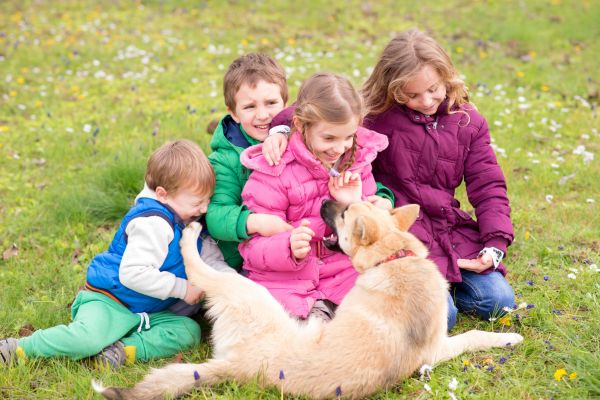
Dogs can be wonderful companions for children, but the right match is everything. A gentle, patient, well-trained dog can become a child’s loyal friend and a comforting presence in family life. However, dogs require a serious commitment. They need daily exercise, training, grooming, veterinary care, and plenty of attention.
For families with young children, temperament is more important than breed alone. Some dogs are naturally calm and tolerant, while others are too energetic or sensitive for a noisy household. Adult dogs with known behavior can sometimes be easier than puppies, because their personality is already clearer. Puppies are cute, but they nip, jump, chew, and need constant training.
Children should never be left alone with a dog, even a friendly one. They must learn not to pull ears, climb on the dog, disturb it while eating, or bother it while sleeping. Safe pet ownership works both ways: the child must be protected, and the dog must feel safe too.
Cats for Gentle and Respectful Children
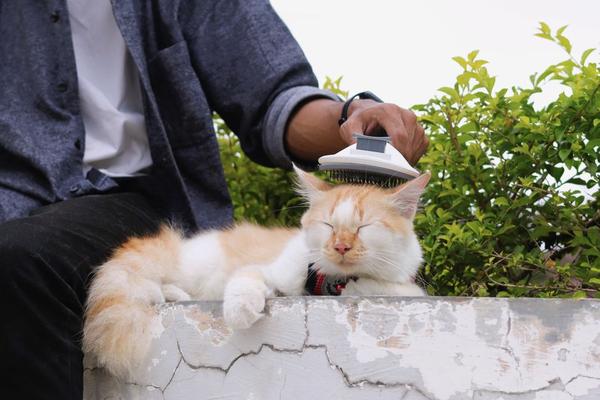
Cats can be a good choice for families who want a pet that is affectionate but more independent than a dog. Many cats enjoy quiet companionship, gentle play, and cozy routines. They do not need walks, and their daily care can fit well into many homes.
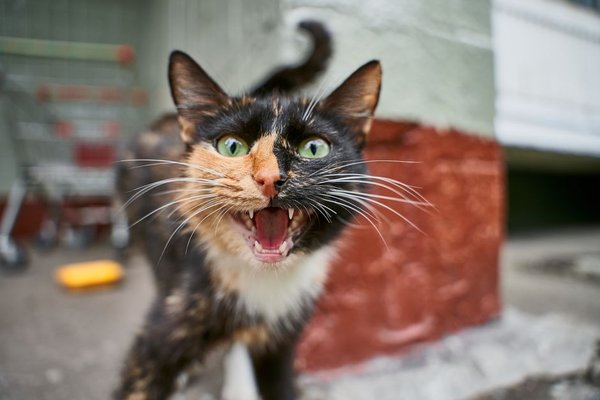
However, cats are not always ideal for very young children who want constant cuddling. A cat may scratch or bite if handled roughly or chased around the house. This does not make cats bad pets; it simply means they need respect and personal space. Children should be taught to let the cat come to them, use soft hands, and understand when the cat wants to walk away.
A calm adult cat may be better for a young family than a fragile kitten. Kittens are playful and charming, but they are also small, quick, and easily injured. With the right temperament and gentle handling, cats can become safe pets for young children, especially in homes where adults set clear boundaries.
Rabbits and Their Quiet Needs
Rabbits look soft and child-friendly, but they are not always as simple as people imagine. They are prey animals, which means they can become frightened by loud noises, sudden grabbing, or being lifted incorrectly. Many rabbits do not enjoy being carried, and their backs are delicate.
That said, rabbits can be lovely pets for calm families who understand their needs. They are social, intelligent, and can form gentle bonds with people. They need a clean living area, fresh hay, proper food, safe space to move, and regular care. They are not low-effort pets.
For young children, rabbits are usually better as “watch and gently interact” pets rather than animals to pick up and cuddle. A child can sit on the floor while the rabbit explores nearby. This teaches patience, because the child learns that trust cannot be forced. For some families, that lesson is actually one of the best parts of having a rabbit.
Guinea Pigs as Social Small Pets
Guinea pigs are often a better small-pet choice than hamsters for young children. They are usually more social, less likely to escape quickly, and active during the day rather than mostly at night. Their gentle squeaks and friendly personalities can make them enjoyable companions.
Still, guinea pigs need careful handling. They can be injured if dropped, so children should sit on the floor when interacting with them. Adults should show children how to hold them properly and recognize signs of stress. Guinea pigs also need a spacious enclosure, fresh vegetables, hay, clean bedding, and regular attention.
Because they are social animals, many guinea pigs do best in pairs. That means more space and more care, but also a happier pet. For families ready for daily maintenance, guinea pigs can be among the safer small pets for children, especially when the household understands that small does not mean maintenance-free.
Pets That May Not Be Ideal for Young Kids
Some animals are better suited to older children or experienced pet owners. Hamsters, for example, are tiny and cute, but they are often active at night and may bite when woken or startled. Reptiles can be fascinating, but they require special habitats and careful hygiene. Birds can be social and intelligent, yet they may be noisy, sensitive, and easily stressed.
Exotic pets may seem exciting, but they usually have more complex care needs. Young children may enjoy looking at them, but that does not mean the animal is a safe or practical family pet. A good rule is simple: if the pet requires advanced handling, strict temperature control, unusual food, or delicate care, it is probably not the best first pet for a young child.
Teaching Children to Be Kind Pet Owners
Even the safest pet needs a safe child. Children are not born knowing how to treat animals gently. They need patient teaching and repeated reminders. A young child should learn to use quiet voices, move slowly, touch softly, and give the pet space.
It also helps to give children small jobs they can succeed at. They might help fill a water bowl, place food in a dish, brush a calm dog with supervision, or help tidy pet supplies. These small routines make children feel involved without giving them responsibility they are too young to manage.
Adults should always be the main caregivers. A pet should never suffer because a child forgot to feed it or clean its cage. The goal is not to hand over full responsibility too early, but to let children slowly grow into it.
Creating a Safe Home for Pets and Children
A safe home setup matters just as much as the pet itself. Food bowls, litter boxes, cages, tanks, and bedding should be placed where they are easy to manage but not constantly disturbed. Pets need a quiet place to retreat when they feel tired or overwhelmed.
Children should know which areas are off-limits. A dog’s bed, a cat’s hiding spot, a rabbit’s enclosure, or a guinea pig’s cage should not be treated like a play area. These boundaries make life calmer for everyone.
Cleanliness is also important. Children should wash hands after touching pets, cages, bedding, food, or water bowls. Pet areas should be cleaned regularly, and any bites or scratches should be taken seriously. These habits may feel ordinary, but they are what make pet ownership safer and healthier in a family home.
A Thoughtful Choice Brings the Best Bond
The best safe pets for young children are not always the most unusual or exciting ones. Often, they are the pets whose needs are simple to understand, whose behavior is predictable, and whose care fits naturally into family life. Fish, calm dogs, gentle cats, rabbits, and guinea pigs can all be good choices in the right home, but none of them should be chosen casually.
A pet can bring warmth, laughter, and quiet lessons into a child’s daily world. It can help a child notice another living being’s needs, moods, and boundaries. But the real success comes when parents choose thoughtfully and guide the relationship with care.
When a family sees a pet not as entertainment, but as a living companion, the bond becomes safer and more meaningful. That is when children learn the most valuable lesson of all: kindness is something we practice every day.