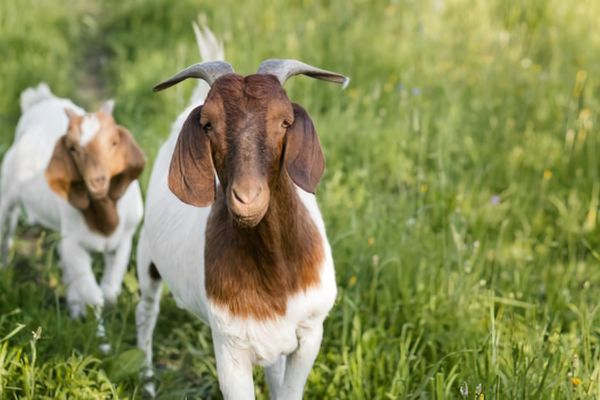
Goats have a way of surprising people. At first glance, they seem simple to keep—small livestock, clever eaters, hardy animals, manageable size. Then you spend a little time around them and realize they are intelligent, curious, stubborn, social, and far more resourceful than expected. They test fences, open gates, climb what should not be climbed, and quickly learn routines.
That personality is part of the appeal. Goat farming can be rewarding for households, small farms, and larger agricultural operations alike. Goats may be raised for milk, meat, fiber, breeding, vegetation control, or mixed farm systems. But success rarely comes from buying a few animals and hoping for the best.
Strong foundations matter. These practical goat farming tips can help beginners start with fewer mistakes and healthier expectations.
Choose the Right Purpose Before Buying Goats
One of the first mistakes beginners make is buying goats before deciding why they want them.
Different breeds and management systems suit different goals. Dairy goats are selected for milk production. Meat breeds emphasize growth and body type. Fiber goats produce specialized fleece. Some mixed breeds work well for general smallholding needs.
A family wanting fresh milk has different priorities than someone focused on brush clearing or commercial meat production.
When purpose is clear, decisions about breed, housing, feed, fencing, and budget become much easier.
Start With Healthy Stock
Good animals save money, time, and frustration later. Poor-quality or unhealthy goats often create expensive lessons.
Buy from reputable breeders or farmers who maintain clean conditions, proper records, and transparent management practices. Observe body condition, coat quality, alertness, hoof health, and movement. Ask about vaccination programs, parasite control, breeding history, and feeding routines.
If possible, bring an experienced goat keeper or veterinarian into the decision process.
Among the smartest goat farming tips, this one is near the top: start with strong animals.
Never Keep a Single Goat Alone
Goats are social animals. A lonely goat often becomes stressed, noisy, destructive, or depressed.
They generally do better in pairs or groups where natural herd behavior can develop. Companionship improves welfare and often reduces behavior problems.
Many beginners think one goat will be easier than two. In practice, one goat can be harder because isolation creates issues humans cannot fully solve.
If you want goats, plan for at least two compatible animals unless special circumstances apply.
Build Better Fencing Than You Think You Need
Ask experienced goat keepers what matters most, and fencing will be mentioned quickly.
Goats are talented escape artists. Weak gates, loose wire, low barriers, gaps under fences, or poorly latched doors often become invitations rather than obstacles.
Strong perimeter fencing, secure latches, and regular inspection are essential. Electric options may be used in some systems if installed correctly and safely.
A common beginner mistake is underestimating determination. Goats investigate everything.
Good fencing is not wasted money. It is preventive peace.
Provide Dry, Clean Shelter
Goats are often hardy, but they dislike wet, drafty, dirty housing. Shelter should protect from rain, harsh sun, wind, and extreme cold or heat depending on climate.
Dry bedding matters. Ventilation matters too. Damp, stale housing can encourage health problems.
Shelter does not always need to be elaborate, but it should be practical and well maintained. Overcrowding creates stress and sanitation issues.
Simple, clean, weather-appropriate housing usually outperforms fancy neglect.
Learn Feeding Basics Early
Many people assume goats can live happily on anything green. That myth causes trouble.
Goats need balanced nutrition based on age, production stage, breed type, and local forage quality. Good hay, browsing access where suitable, clean water, minerals formulated for goats, and appropriate concentrates when needed all play roles.
Pregnant does, lactating animals, growing kids, and breeding bucks have different nutritional demands.
One of the most important goat farming tips is to learn nutrition before problems appear rather than after weight loss, poor growth, or illness.
Clean Water Is Non-Negotiable
It sounds obvious, yet water problems are common. Dirty buckets, frozen containers, algae buildup, or limited access can quietly reduce intake and performance.
Goats need reliable fresh water every day. In hot weather or during milk production, needs increase significantly.
Animals often tell you quickly when water quality is poor. They may drink less, eat less, and appear dull.
Routine water management is simple but powerful.
Hoof Care Cannot Be Ignored
Goat hooves grow continuously and need regular attention. Overgrown hooves affect posture, movement, breeding ability, and general comfort.
How often trimming is needed depends on terrain, moisture, genetics, and management. Some goats need frequent trimming, others less often.
Beginners often delay hoof care because they feel nervous. That hesitation is understandable, but learning basic trimming or arranging skilled help is essential.
Healthy feet support everything else.
Parasite Management Requires Strategy
Internal parasites are one of the biggest health challenges in goat farming, especially in warm or humid regions.
Blindly deworming on a fixed schedule is no longer considered ideal in many systems because resistance can develop. Modern management often emphasizes targeted treatment, pasture rotation, fecal testing where available, nutrition support, and observation.
Signs of parasite stress may include weight loss, rough coat, weakness, diarrhea, or pale eyelids depending on the parasite burden.
Work with local veterinary guidance because regional parasite pressure varies greatly.
Breeding Should Be Planned, Not Accidental
Goats breed efficiently, which can be helpful or chaotic depending on preparation.
Separate sexes when needed, understand breeding ages, track due dates, and prepare kidding areas ahead of time. Pregnancy nutrition and observation matter.
Baby goats are delightful, but kidding season also brings responsibility: difficult births, weak kids, colostrum needs, weather risks, and post-birth care.
Thoughtful breeding management is far easier than surprise management.
Observe Your Goats Daily
Experienced livestock keepers often notice problems before symptoms become dramatic. That comes from routine observation.
Watch appetite, movement, posture, droppings, coat condition, social behavior, and energy levels. A goat standing apart, eating less, limping, or acting unusually quiet may need attention.
Daily observation takes minutes but can prevent serious losses.
This is one of the simplest and most valuable goat farming tips for beginners.
Keep Records From Day One
Write down purchases, breeding dates, kidding history, treatments, weights, feed changes, milk yields if relevant, and expenses.
Memory feels enough at first. Then seasons pass, animals multiply, and details blur.
Good records improve decisions and reveal patterns. They also help when working with veterinarians or planning future herd improvements.
Expect Personality, Not Machinery
Goats are not machines. They have preferences, moods, social hierarchies, curiosity, and surprising intelligence.
Some are bold. Some shy. Some easy to handle. Some constantly negotiating boundaries.
Understanding that behavior is part of management helps reduce frustration. Patience usually works better than force.
Conclusion
Successful goat keeping begins with realistic expectations and steady care. The best goat farming tips are often practical rather than glamorous: choose the right animals, build secure fencing, feed properly, keep housing dry, manage health proactively, and observe daily.
Goats reward attention. They can provide milk, meat, fiber, land management benefits, and genuine enjoyment, but only when managed thoughtfully. Beginners do not need to know everything on day one. They simply need to keep learning while meeting the animals’ basic needs well.
In time, the chaos starts to make sense—and the fence checks become routine.