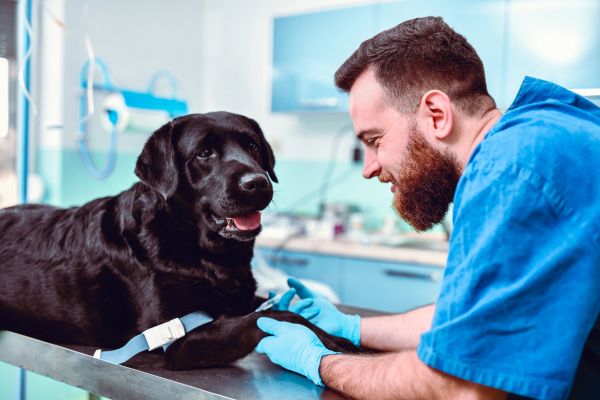
Anyone who has ever sat in a veterinary waiting room knows the feeling. Your pet finally gets called in, the exam begins, and suddenly your mind goes blank. You meant to ask something about diet, behavior, maybe that strange cough—but the moment slips away. By the time you get home, the questions come rushing back.
Preparing thoughtful questions to ask your vet can make a huge difference in how well you understand your pet’s health. Veterinarians are trained to diagnose and treat animals, but the best care happens when pet owners actively participate in the conversation. Asking the right questions helps you make informed decisions, catch potential problems early, and build a stronger partnership with the professional caring for your animal.
Below are some of the most important topics to bring up during a veterinary visit—whether you’re caring for a new puppy, an aging cat, or any companion animal in between.
Understanding Your Pet’s Overall Health
A veterinary appointment often begins with a routine exam, but this is the perfect moment to gain a deeper understanding of your pet’s overall health. Instead of simply accepting a quick summary, consider asking what your veterinarian observes about your animal’s physical condition.
For example, it’s helpful to know whether your pet’s weight is within a healthy range. Many animals slowly gain or lose weight without their owners noticing. A veterinarian can explain body condition scores, muscle tone, and other indicators that reveal how your pet is truly doing.
You might also ask whether your pet’s breed, age, or lifestyle puts them at risk for certain conditions. Some dogs, for instance, are prone to joint issues, while certain cat breeds may develop heart problems more frequently. Knowing these possibilities early allows you to watch for warning signs and take preventive steps.
Understanding the big picture of your pet’s health turns a routine visit into a valuable check-in rather than just another appointment.
Questions About Diet and Nutrition
Nutrition is one of the most overlooked areas of pet health, yet it affects everything from energy levels to long-term disease prevention. Many pet owners rely on online advice or packaging claims, but your veterinarian can offer guidance tailored specifically to your animal.
During the visit, it’s worth asking whether your pet’s current diet truly meets their needs. Puppies, adult dogs, senior cats, and highly active animals all require different nutritional balances.
You might also discuss portion sizes. Overfeeding is a common issue, especially when treats are involved. Veterinarians often see pets whose daily calorie intake far exceeds what their bodies require.
Another useful question involves ingredient trends. With so many options—grain-free formulas, raw diets, high-protein foods—it can be difficult to separate marketing from genuine nutritional value. Your vet can help clarify what matters and what might simply be a passing trend.
Behavior Changes Worth Discussing
Pets communicate primarily through behavior. A sudden shift in habits can signal stress, illness, or environmental changes that deserve attention.
If your dog has started barking excessively, chewing furniture, or showing signs of anxiety, it’s important to bring this up during the appointment. Similarly, a cat that suddenly hides, avoids the litter box, or becomes unusually aggressive may be reacting to discomfort or stress.
Veterinarians can often identify whether the issue stems from a medical cause or a behavioral one. Pain, digestive issues, and hormonal changes sometimes appear first as unusual behavior.
When considering questions to ask your vet, behavior should always be part of the conversation. Small details you notice at home may provide crucial clues that help the veterinarian understand what’s really happening.
Preventive Care and Vaccinations
Preventive care is one of the most valuable aspects of veterinary medicine. Vaccinations, parasite prevention, and regular screenings protect pets long before serious illness develops.
During a visit, it’s helpful to ask whether your pet is fully up to date on recommended vaccines. Requirements can vary depending on region, lifestyle, and the animal’s exposure to other pets.
Parasite prevention is another topic worth exploring. Fleas, ticks, and intestinal worms are not just uncomfortable—they can transmit diseases. Your veterinarian can recommend prevention strategies based on your location and the environments your pet frequently visits.
It’s also wise to ask about routine screenings. Blood tests, dental checks, and wellness exams may reveal problems early when they’re far easier to manage.
Preventive care conversations often feel routine, but they play a major role in extending your pet’s lifespan and maintaining their quality of life.
Dental Health Often Gets Overlooked
Dental care rarely gets the attention it deserves, yet it is one of the most common health issues veterinarians see.
Many pets develop plaque buildup, gum disease, and infections without obvious symptoms. Bad breath is often dismissed as normal, but it can actually signal deeper dental problems.
During a checkup, ask your veterinarian about the current state of your pet’s teeth and gums. They may recommend brushing routines, dental treats, or professional cleanings depending on what they observe.
Dental health matters because oral infections can spread bacteria to other parts of the body, including the heart and kidneys. A simple conversation about dental care can prevent serious complications later on.
Warning Signs You Should Watch For
Every pet owner benefits from knowing what symptoms require immediate attention. Veterinarians can explain which warning signs should never be ignored.
For instance, sudden lethargy, persistent vomiting, difficulty breathing, or drastic changes in appetite can indicate underlying problems. While some symptoms may appear mild at first, they can escalate quickly if left unchecked.
Discussing these red flags helps you feel more confident in recognizing when something is truly urgent. Instead of second-guessing yourself at home, you’ll know exactly when it’s time to contact the clinic.
Among the many questions to ask your vet, understanding early warning signs is one of the most practical and reassuring.
Age-Related Health Considerations
As pets age, their needs begin to change. What worked during their younger years may no longer be appropriate.
Senior dogs and cats often experience joint stiffness, slower metabolism, and increased risk of chronic conditions such as arthritis or kidney disease. Asking your veterinarian about age-related changes allows you to adjust care routines accordingly.
You might discuss supplements that support joint health, dietary changes for aging pets, or additional screening tests that help monitor organ function.
These conversations are particularly important because animals often hide discomfort. By staying proactive, you can improve your pet’s comfort and mobility well into their later years.
Lifestyle and Environmental Factors
Your pet’s daily environment has a powerful influence on their health. Veterinarians can provide guidance based on lifestyle details that owners sometimes overlook.
For example, outdoor pets may face different parasite risks than animals that remain indoors. Highly active dogs might need specific joint protection strategies, while indoor cats may benefit from enrichment activities that prevent boredom.
It’s also helpful to discuss travel plans, new household pets, or changes in living arrangements. Even small shifts in routine can affect an animal’s stress levels and behavior.
Sharing these details with your veterinarian ensures their recommendations are tailored to your pet’s real-life environment rather than general assumptions.
Preparing for Emergencies
Emergency situations are stressful, especially when pet owners are unsure how to respond. Asking your veterinarian about basic emergency preparedness can make a big difference.
You might learn which symptoms require immediate care, which nearby clinics offer after-hours services, and what steps to take if an accident occurs at home.
Some veterinarians also recommend keeping a small pet first-aid kit. While it won’t replace professional care, it can help stabilize a situation until veterinary help becomes available.
Knowing these details ahead of time reduces panic and allows you to act quickly if something unexpected happens.
Building a Relationship With Your Veterinarian
Veterinary visits shouldn’t feel rushed or one-sided. A strong relationship between pet owner and veterinarian benefits everyone involved—especially the animal.
When you regularly bring thoughtful questions to ask your vet, it creates open dialogue and trust. Over time, your veterinarian becomes familiar with your pet’s personality, habits, and medical history.
This relationship makes it easier to discuss concerns honestly and receive guidance that truly fits your pet’s needs.
Veterinary care works best as a partnership. Your observations at home combined with the veterinarian’s medical expertise create the most complete picture of your pet’s wellbeing.
Conclusion
Visiting the veterinarian is about more than vaccinations or quick exams. It’s an opportunity to learn, ask questions, and better understand the companion who shares your life.
By preparing meaningful questions to ask your vet, you transform each appointment into a conversation rather than a routine checkup. Topics such as nutrition, behavior, preventive care, dental health, and age-related changes all help build a clearer picture of your pet’s wellbeing.
Pets rely entirely on their owners to notice changes and seek guidance when needed. The more informed you become, the better equipped you are to support their health throughout every stage of life.
In the end, the best veterinary visits aren’t just about treatment—they’re about curiosity, awareness, and the quiet commitment to giving your animal the healthiest life possible.