As hybrid working patterns shift again, many UK dogs are spending more time alone than they have in recent years. A dog that once had company throughout the day may suddenly face several quiet hours while their owner commutes or returns to the office. For some dogs, that change is manageable. For others, it can trigger distress.
Separation anxiety is not stubbornness, revenge or bad manners. A dog destructive when alone may be panicking, while barking, pacing or toileting indoors can be signs that they are struggling to cope. Effective training is not about forcing a dog to “get used to it”. It is about changing how they feel, in small steps that keep them below the point of fear.
Recognising separation anxiety in dogs
Separation-related behaviour may begin before the front door closes. Your dog might follow you closely, become restless when you pick up your keys, refuse food or whine. After you leave, signs can include barking, howling, scratching doors, chewing furniture, pacing, drooling, trembling, escape attempts or toileting indoors.
Because these behaviours happen in your absence, a camera is useful. Record your dog after leaving and look for subtle stress signals such as panting, lip licking, repeated yawning or an inability to settle. A dog left alone with anxiety may ignore a favourite chew they would normally enjoy, suggesting distress rather than simple boredom.
Discuss sudden behavioural changes with a vet. Pain, cognitive decline or illness can affect behaviour. A vet can rule out health issues and, when appropriate, refer you to a qualified clinical animal behaviourist.
Start below your dog’s anxiety threshold
The foundation of successful training is gradual desensitisation: exposing your dog to a very small amount of alone time they can handle calmly, then increasing it slowly. For a severely anxious dog, the first successful absence might last only one or two seconds.
Begin when your dog is relaxed. Encourage them to settle on a bed, take one step away and return before they become worried. Progress to walking across the room, briefly moving out of sight, touching the door handle, opening the door and eventually stepping outside.
Increase only one difficulty at a time. If you add distance, keep the duration short. If you extend the duration, use an easy location. Return while your dog is still calm rather than waiting for barking or scratching. If stress appears, shorten the next repetition.
Make departure cues less frightening
Dogs quickly learn that certain actions predict a long absence. Picking up a handbag, closing a laptop, putting on shoes or reaching for keys may become anxiety triggers. Practise these cues when you are not leaving. Pick up your keys, place them down and make tea. Put on your coat, sit down, then remove it.
Once your dog responds calmly, combine these cues with brief practice departures. Keep arrivals and departures relaxed and predictable. You do not need to ignore your dog completely, but dramatic goodbyes can make the contrast between company and isolation feel greater.
Build calm independence at home
Encourage your dog to rest independently while you cook, work or watch television. Reward them for choosing their bed, occupying themselves with a suitable toy or settling behind a baby gate while you remain nearby. This is not about withholding affection. It teaches your dog that brief separation can be safe.
Use food and enrichment carefully
A safe food puzzle, stuffed toy or chew can create a positive association with alone time. Offer it during easy practice sessions and remove it when you return so it remains special. Choose something appropriate for your dog and safe to leave without supervision.
Food also provides useful feedback. If your dog normally loves the item but abandons it as soon as you leave, the session may already be too stressful. Reduce the absence to a level at which your dog can remain relaxed and engaged.
Be cautious with crate training an anxious dog
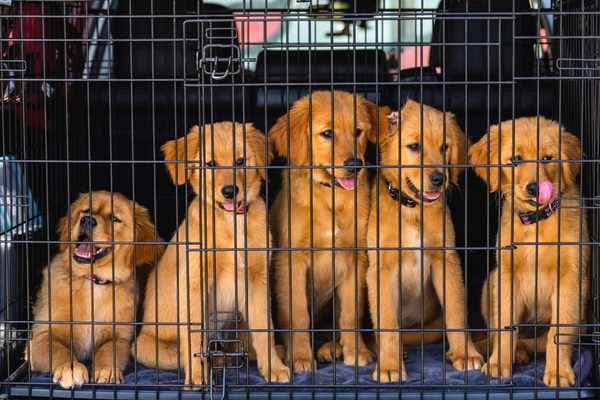
Crates can be comfortable resting places when introduced positively, but they are not a treatment for separation anxiety. Crate training an anxious dog by closing them inside and leaving may intensify panic, particularly if they try to escape and injure themselves.
If your dog already chooses to rest in a crate, it may form part of a wider plan, often with the door secured open. Other dogs feel safer in a familiar room where they have more choice.
Avoid punishment and “cry it out” training
Never punish barking, chewing or toileting discovered after you return. Your dog cannot connect your anger with something that happened earlier. Punishment may instead make them anxious about both your departure and your return.
Leaving a distressed dog to cry it out is also unlikely to create confidence. Some dogs become more frantic, while others become quiet without feeling safer. Progress should be measured by relaxed body language, normal eating and the ability to settle, not simply by silence.
Manage unavoidable absences
Repeated panic can make the problem harder to resolve. During training, avoid leaving your dog for longer than they can cope with. Share care with family, use a trusted sitter, arrange suitable daycare or ask someone to visit. This protects your dog’s welfare while new skills develop.
Once your dog can stay relaxed for longer, continue building gradually. UK welfare organisations generally advise that even a comfortable adult dog should not routinely be left alone for more than around four hours without a toilet break, exercise and social contact. Puppies, older dogs and dogs with medical needs require shorter intervals.
When professional help is needed
Seek help early if your dog panics within seconds, injures themselves, attempts to escape, cannot eat when alone or shows no improvement with careful training. A vet and a qualified behaviourist can create an individual plan. In severe cases, prescription medication may be recommended alongside behavioural work.
Frequently asked questions
How long does separation anxiety training take?
There is no fixed timetable. Mild cases may improve over several weeks, while established or severe anxiety can require months of consistent work. Progress is usually faster when the dog is not repeatedly left beyond their coping limit.
Should I ignore my dog before leaving?
You do not need to be cold or distant. Aim for calm, ordinary interactions rather than an emotional farewell. The key is keeping the absence short enough that your dog remains comfortable.
Can another dog cure dog left alone anxiety?
Usually not. Many dogs are distressed by separation from a particular person, so another pet may not help. A second dog should never be treated as a guaranteed solution.
What if my dog starts barking during practice?
Return calmly and make the next session easier. Do not scold them. Review camera footage to identify the first signs of tension and shorten the absence so you can return before distress begins.
Helping your dog feel safe alone
The separation anxiety in dogs training tips that actually work are based on patience, observation and gradual progress. Start with absences your dog can manage, make departure cues ordinary, reward calm independence and avoid punishment. With thoughtful management and professional support when needed, many dogs can learn that being alone is temporary, predictable and safe.