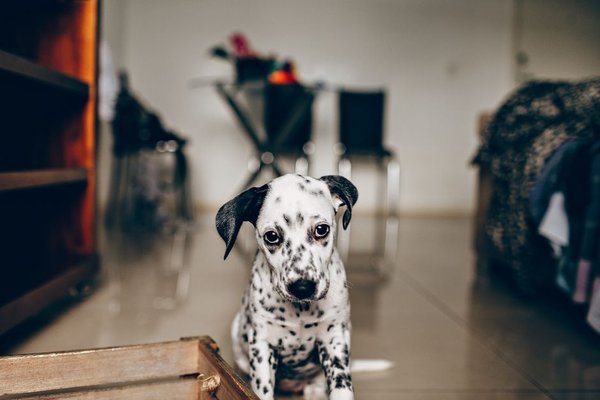
Bringing a puppy home is one of those moments you replay in your head for weeks beforehand, picturing the cuddles and the garden zoomies. What most new owners don’t picture, at least not until it’s too late, is the chewed skirting board, the swallowed sock, or the frantic dash to the vet because a curious nose found something it shouldn’t have. Puppy proofing isn’t about being paranoid. It’s about seeing your home the way an eight-week-old puppy sees it: a giant, fascinating, chewable playground full of things that smell interesting and things that are dangerously easy to swallow. Before your puppy’s paws even touch the carpet, a bit of preparation room by room will save you a lot of stress, and possibly a very expensive emergency vet bill.
This guide walks through creating a genuinely puppy safe home, from the kitchen to the garden, so your new arrival can explore with the freedom to be a puppy, minus the hazards you can easily remove in advance.
Why Puppy Proofing Matters More Than You Think
Puppies explore the world mouth-first. Everything from electrical cables to fallen leaves gets a taste test, and their small size means even minor hazards can cause serious harm. A new puppy checklist that only covers food bowls and bedding misses the bigger picture. The real work happens before arrival day, when you can calmly assess each room without a bundle of energy under your feet.
Getting Started: A Room-by-Room Approach
The easiest way to puppy proof a home is to go room by room, getting down to puppy height wherever possible. Crouch or kneel and look around. You’ll be surprised what suddenly looks tempting from that angle.
The Kitchen
Kitchens are full of temptation and danger in equal measure. Secure bin lids or move bins behind a closed cupboard door, since food waste is one of the most common causes of tummy upsets and, in worse cases, toxic ingestion. Store cleaning products, dishwasher tablets, and bin bags well out of reach, ideally behind child-locked cupboards. Keep an eye on trailing cables from kettles or toasters, and tuck away tea towels and oven gloves that dangle within jumping distance, since puppies love to grab and pull.
The Living Room
Loose cables from lamps, chargers, and the television are a genuine electrocution risk as well as an obvious chew target. Run cables through cable tidies or tuck them behind furniture. Remove small objects like remote controls, coins, and hair bands from low tables, and consider blocking off access to bookshelves or units with breakable items until your puppy has learned some manners. If you have a fireplace, a secure guard is essential, both for burns and for stopping curious noses getting too close to ash or embers.
Bedrooms and Bathrooms
Bedrooms hide plenty of hazards: shoes, socks, and small items of clothing are prime chewing and swallowing risks. Keep bathroom doors closed where possible, since toilet cleaner residue, razors, and medication are all genuinely dangerous if accessed. Nappy bins, if you have little ones in the house, should also be off limits, as used nappies and wipes are a surprisingly common cause of blockages in young dogs.
Stairs and Hallways
Stair safety deserves its own mention, particularly for smaller or younger puppies who haven’t developed full coordination yet. A stair gate at the top and bottom prevents falls and also stops your puppy having free run of the house before they’re fully house-trained. Hallways often double as storage for shoes and coats, so keep these tidied away rather than left in a pile at floor level.
Puppy Proofing the Garden
A puppy proof garden is just as important as an indoor setup, especially for UK homes where the garden often becomes the puppy’s main toilet area and exercise space in those early weeks.
Fencing and Boundaries
Check fence panels and gates for gaps a small puppy could squeeze through, and make sure gate latches are secure and puppy-proofed against determined nose-nudging. Ponds, unfenced swimming pools, or water features should be blocked off or supervised at all times.
Toxic Plants and Garden Hazards for Dogs
Many common UK garden plants are toxic to dogs, including daffodils, foxgloves, lily of the valley, and rhododendrons. Check what’s already growing in your borders and either remove problem plants or fence them off. Garden hazards for dogs also include slug pellets, weed killers, and compost bins, all of which should be stored securely or replaced with pet-safe alternatives. Sheds and garages deserve a check too, since antifreeze, fertiliser, and tools are often kept at ground level within easy reach.
Outdoor Structures
If you have a vegetable patch, raised beds, or a greenhouse, consider low fencing to keep an excitable puppy from digging up your hard work or knocking over glass panels. Sharp garden tools left leaning against a wall are another easily overlooked risk.
Building a Safe Space Indoors
Alongside removing hazards, it helps to create a dedicated puppy-safe zone using a playpen or baby gate, particularly for the first few weeks while your puppy settles in and you can’t watch every move. This gives you a break from constant supervision while still keeping your puppy secure, and it’s a useful step for any new puppy checklist regardless of breed or size.
A Final Walkthrough Before Puppy Arrives
Once you’ve been through each room and the garden, do one last walkthrough on your hands and knees. It sounds a little silly, but it’s the single best way to catch anything you’ve missed. Check under sofas, behind curtains, and along skirting boards for anything small enough to become a chew toy or a swallowing hazard.
Frequently Asked Questions
How long does it take to puppy proof a house?
Most homes can be reasonably puppy proofed in a weekend, though it depends on the size of your house and garden. Focus on the rooms your puppy will have access to first, then work outward as they earn more freedom.
What household items are most dangerous to puppies?
Electrical cables, cleaning products, small toys or coins, certain human foods like chocolate and grapes, and medications are among the most common causes of emergency vet visits in young puppies.
Do I need to puppy proof the whole house at once?
Not necessarily. Many owners start by fully securing the rooms the puppy will use daily, then gradually puppy proof the rest of the house as the puppy is given more access over time.
Are all garden plants unsafe for puppies?
No, but a good number of common UK garden plants are toxic to dogs, so it’s worth checking your specific plants against a trusted pet poisons list before your puppy arrives.
Bringing It All Together
Puppy proofing isn’t a one-off task you tick off and forget. It’s an evolving process that shifts as your puppy grows, gets braver, and finds new things to investigate. But getting the groundwork right before arrival day, room by room and right through to the garden, means you can spend those precious first weeks enjoying your new puppy rather than constantly firefighting hazards. A little preparation now genuinely goes a long way toward a calmer, safer start for both of you.