Choosing a dog is exciting, but it can feel less straightforward when you want companionship without a home permanently coated in fur. Fortunately, several breeds shed much less than the average dog, making them appealing for busy UK households, smaller homes and flats. They may also be worth considering for people who are sensitive to pet allergens, although no dog is completely allergy-proof.
Dog allergies are usually triggered by proteins found in dander, saliva and urine rather than by fur alone. A low-shedding coat may reduce how much hair and dander spreads around a home, but reactions vary between people and individual dogs. Anyone with asthma or a known pet allergy should spend time with the specific dog before committing and seek medical advice if symptoms are significant.
What Does Low-Shedding Really Mean?
Low-shedding dogs lose less visible hair, often because loose strands become trapped within a curly, wiry or continuously growing coat. This does not mean they require no grooming. Many so-called non shedding breeds need frequent brushing, regular trimming and professional grooming to prevent painful mats and keep their skin healthy.
That distinction matters when comparing low maintenance dog breeds. A dog that leaves little hair on the sofa may still need considerable coat care, exercise, training and companionship. The right choice should suit your routine as well as your tolerance for shedding.
Best Low-Shedding Dog Breeds for UK Homes
Poodle
Poodles are among the best-known low-shedding choices and come in Toy, Miniature and Standard sizes. Their tightly curled coat holds loose hair but needs regular brushing and clipping. Intelligent, responsive and highly trainable, they can suit many households. Toy and Miniature Poodles are often easier to accommodate in flats, while Standards need more room and exercise. Their adaptability also places them among the best family dog breeds for owners able to provide mental stimulation.
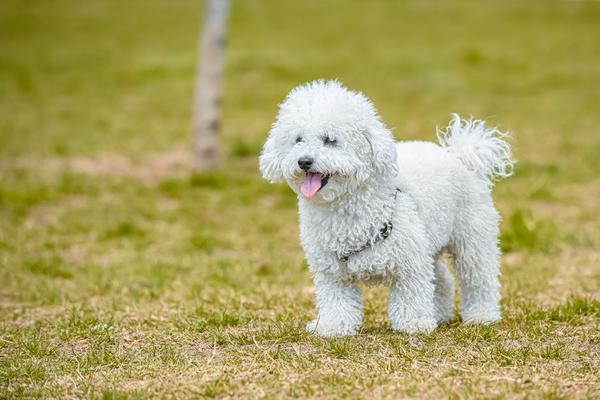
Bichon Frise
Cheerful, sociable and compact, the Bichon Frise is well suited to many UK homes. Its soft, curly coat sheds minimally, although frequent brushing and professional trimming are important. Bichons generally enjoy human company and can make affectionate family companions. They are a practical option for flats when given regular walks, play and training, but may struggle if routinely left alone for long periods.
Miniature Schnauzer
The Miniature Schnauzer has a wiry double coat that sheds relatively little when properly maintained. This lively, alert breed is small enough for many urban homes but still needs purposeful daily activity. Brushing and regular clipping or hand-stripping keep the coat tidy. Schnauzers are often devoted to their families, though their watchdog instincts make early socialisation and calm training especially useful in flats.
Maltese
The Maltese has long, silky hair rather than a typical shedding coat. Its small size and moderate exercise needs can work well for apartment living, while its affectionate nature appeals to owners seeking a close companion. The coat requires daily attention if kept long, or regular trimming in a shorter style. Tangles and tear staining also need routine care, so this is low shedding rather than low effort.
Shih Tzu
Shih Tzus are compact companion dogs whose coats usually release relatively little hair. They can suit smaller homes and do not require the intense exercise of larger working breeds, although daily walks and enrichment remain essential. Their coat needs consistent brushing and trimming. Because they are flat-faced, prospective owners should prioritise healthier features and avoid strenuous activity in hot weather.
Yorkshire Terrier
Yorkshire Terriers have fine, continuously growing hair and are widely considered low shedders. Their portable size makes them convenient for smaller UK homes, but their personality is often bold and energetic. Regular brushing and grooming are necessary, particularly with a longer coat. Early training can help manage barking and terrier confidence, making them easier neighbours in shared buildings.
Portuguese Water Dog
For active families wanting a larger option, the Portuguese Water Dog combines a low-shedding curly or wavy coat with an energetic working temperament. These dogs need substantial exercise, training and interaction, so they are not an easy choice simply because they shed less. They can thrive with outdoorsy owners who enjoy long walks, games and training sessions. Their coat also requires frequent brushing and professional trimming.
Lagotto Romagnolo
The Lagotto Romagnolo is a medium-sized, curly-coated breed with a strong instinct for scent work. It sheds little, but its dense coat can mat without careful grooming. Intelligent and active, the Lagotto benefits from nose games, training and varied walks. It may suit families wanting a manageable medium-sized dog, although its energy and sensitivity deserve more consideration than its teddy-bear appearance suggests.
How to Choose the Right Breed
Start with lifestyle rather than appearance. Consider adult size, daily exercise, trainability, barking, tolerance of being alone and likely grooming costs. Families with children should look beyond lists of hypoallergenic dogs UK owners commonly search for and assess the temperament of the individual dog. Children should be taught respectful handling, and interactions with younger children should always be supervised.
If allergies are a concern, arrange several meetings with the actual dog, ideally indoors and for meaningful periods. A reaction to one dog cannot reliably predict a reaction to every dog of the same breed. Keeping the dog out of bedrooms, washing pet bedding regularly, vacuuming thoroughly and asking a non-allergic person to handle grooming may also reduce exposure.
Whether adopting or buying, ask about health history, temperament and coat care. When purchasing a puppy, choose a responsible breeder who carries out recommended health testing and allows you to meet the puppy with its mother. Rescue organisations can also match you with an adult dog whose behaviour, energy level and grooming needs are already clearer.
Frequently Asked Questions
Are any dogs completely hypoallergenic?
No. All dogs produce potential allergens through dander, saliva and urine. Some low-shedding breeds may spread less hair and dander, but they can still trigger symptoms.
Which low-shedding dog is best for a flat?
Toy or Miniature Poodles, Bichon Frises, Maltese and Shih Tzus can adapt well to flats when their exercise, training and companionship needs are met. Individual temperament and barking habits matter as much as size.
Do low-shedding dogs need less grooming?
Usually not. Many require more brushing and clipping because loose hair remains trapped in the coat. Grooming costs and time should be included in your decision.
What is the best low-shedding dog for families?
Poodles and Bichon Frises are often strong candidates, while active families may prefer a Portuguese Water Dog or Lagotto Romagnolo. The best match depends on the children’s ages, the household routine and the individual dog’s temperament.
Finding Your Best Match
The best low shedding dog breeds UK households can choose are not defined by coat alone. Poodles, Bichon Frises, Miniature Schnauzers and several other breeds can reduce the amount of loose hair around the home, but each brings different exercise, grooming and training demands. Compare those needs honestly, meet individual dogs before deciding and treat “hypoallergenic” as a useful starting point rather than a guarantee. That approach is far more likely to create a comfortable home and a lasting, rewarding relationship.