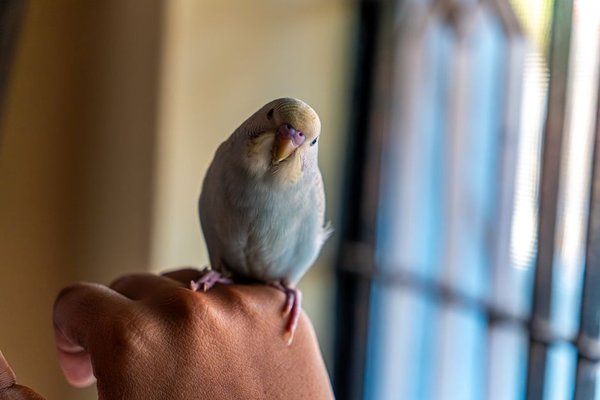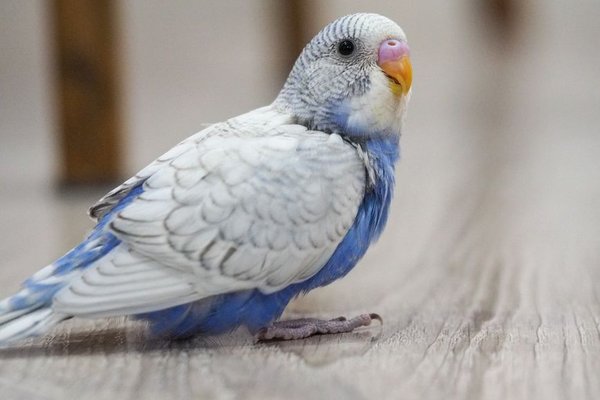
A parrot can say a great deal without speaking a word. A sudden change in feather position, a sideways lean or a quiet beak movement may tell you whether your bird welcomes attention or wants space. Learning parrot body language makes everyday handling safer, but it also helps you notice when something is wrong.
The key is to read combinations of signals rather than assigning one emotion to every gesture. A raised crest, for example, might show curiosity or alarm. What happens next depends on the rest of the bird’s posture, the situation and its usual behaviour.
Read the Whole Bird, Not One Signal
Start with three questions: What was the parrot doing just before the change? What are its eyes, feathers and feet doing together? Does this look different from its normal routine? Those clues are more dependable than a chart promising that one movement always means happiness or aggression.
Feathers and Crest Position
Soft Feathers Often Suggest Comfort
A settled parrot may hold its feathers slightly loose, preen calmly, stretch one wing and leg or grind its beak while resting. Gentle fluffing after grooming is ordinary. If the bird stays unusually puffed up, becomes inactive or stops eating, however, think about health rather than assuming it feels cosy.
Tight Feathers Can Signal Unease
Feathers pressed close to the body, especially alongside a stiff stance or a lean away, may indicate fear or heightened alertness. Cockatiels and cockatoos can raise their crests when interested, startled or excited; the crest alone is not a mood meter. Watch for a rigid body, retreating feet or an open beak before approaching.
Eyes, Beak and Head Movements
What Eye Pinning Really Means
Some parrots visibly change pupil size rapidly, a behaviour called eye pinning. It can accompany intense interest, excitement or agitation. An Amazon pinning its eyes while leaning toward a favourite treat is a different situation from one pinning its eyes with a fanned tail and tense body near an unwanted hand.
Beak Signals Need Context
Soft beak grinding while resting is commonly associated with relaxation. Exploratory nibbling can be normal, and parrots often use their beaks for balance when climbing. A forceful lunge, repeated warning clicks or an open beak paired with an advancing, rigid posture suggests you should give the bird room.
Head lowering can be an invitation to scratch around the head and neck, but it is not a guarantee. Offer a choice: bring your hand nearby, wait for the bird to move toward it, and stop if it pulls away. Avoid treating biting as defiance when earlier warnings were ignored.
Wings, Tail and Feet Tell Another Part of the Story
Parrot posture matters when handling. A bird that walks toward your offered hand and balances steadily may be ready to step up. One that crouches, leans backward, grips its perch tightly or moves away is communicating reluctance. Respect that signal instead of following it around the cage.
Do not confuse tail displays with persistent tail bobbing during breathing. A tail that pumps up and down with each breath, especially with open-mouth or laboured breathing, can indicate respiratory distress and requires prompt veterinary attention.
Parrot Sounds Meaning: Listen Alongside Body Language
Chattering, contact calls, whistles and squawks are parts of normal parrot communication. A bird may call when a flock member leaves the room, chatter during play or become louder at predictable times of day. The same sound can have different meanings depending on its volume, timing and accompanying movements.
A sudden harsh call with frantic wing movements may reflect alarm, while quiet vocalising and relaxed feathers may accompany contentment. Silence is not always calmness: a normally chatty bird that becomes unusually quiet deserves close observation, particularly if eating or activity also changes.
For a broader understanding of daily routines, explore the topic of pet parrot enrichment ideas; boredom and limited choice can influence both vocal habits and body language.
A Practical Example: The Hand at the Cage Door
Imagine your parrot is standing near its food bowl when you open the cage. It pulls its feathers tight, leans back and watches your fingers. Rather than reaching farther, stop, keep your hand still briefly and withdraw. You have responded to a boundary before a bite occurs.
Later, offer a familiar perch at a comfortable distance. Reward the bird for voluntarily approaching or stepping onto it, and end the session while it remains relaxed. This small change—from insisting on contact to inviting participation—can build trust over repeated short sessions.
It also helps to understand positive reinforcement bird training and safe ways to teach step-up behaviour without forcing contact. Consistent choices are usually more valuable than trying to decode every tiny gesture perfectly.
Learn Your Parrot’s Personal Mood Patterns
Spend a few minutes observing your bird at predictable moments: before breakfast, during play, when someone enters and before bedtime. Notice its normal feather position, vocal rhythm and preferred distance from people. Keeping brief notes makes changes easier to spot.
Also consider the environment. A new toy, unfamiliar visitor, loud appliance or disrupted sleep can change parrot behaviour. If your bird seems uneasy, reduce the pressure, provide a retreat and let it investigate at its own pace. Useful guidance on reducing stress in pet birds can support these adjustments.
When a Behaviour Change Might Mean Illness
Parrots often conceal signs of illness, so an abrupt change in usual habits should not be dismissed as a bad mood. Watch for prolonged fluffing, weakness, reduced appetite, fewer droppings, unusual sleepiness, drooping wings or a bird spending time at the bottom of its cage.
Contact an avian veterinarian promptly for concerning changes. Open-mouth breathing, pronounced tail bobbing with breaths, collapse or severe weakness warrant urgent veterinary care. Behavioural interpretation should never delay medical assessment.
Frequently Asked Questions
How can I tell if my parrot is happy?
Look for a relaxed stance, normal appetite, calm preening, comfortable vocalising and a willingness to engage voluntarily. No single gesture proves happiness; consider the whole pattern and your bird’s personality.
Why does my parrot puff up its feathers?
Brief puffing can happen during rest, grooming or temperature adjustment. Persistent puffing together with inactivity, appetite changes or other unusual signs may indicate illness and should be assessed by an avian veterinarian.
Does eye pinning mean my parrot will bite?
Not necessarily. Eye pinning may accompany excitement, curiosity or agitation. A tense posture, fanned tail, lunging or attempts to escape offer more useful context for deciding to pause interaction.
Why does my parrot suddenly go quiet?
It may be resting, listening or responding to a change in its surroundings. If the quietness is unusual and comes with reduced eating, weakness or altered droppings, seek veterinary advice rather than assuming it is a temporary mood.
Conclusion
Understanding parrot body language is less about memorising fixed translations and more about noticing patterns, offering choices and respecting boundaries. Read posture, feathers, eyes and sounds together, respond to early discomfort signals and learn what is normal for your bird. That habit supports both safer bonding and earlier recognition of health concerns.