A stable may look spotless and still feel unpleasant at horse-head height. Close the doors on a cold morning, add occupied stalls and damp bedding, and the air can become heavy. Good horse stable ventilation is about more than making the aisle breezy. Fresh air needs to reach each horse, while moisture, dust and irritating gases need a way out.
The question is not simply whether a stable has windows. It is whether air can enter, move through occupied spaces and leave without creating an uncomfortable direct draught. That balance affects hygiene and respiratory comfort.
Look Inside the Stall, Not Just Down the Aisle
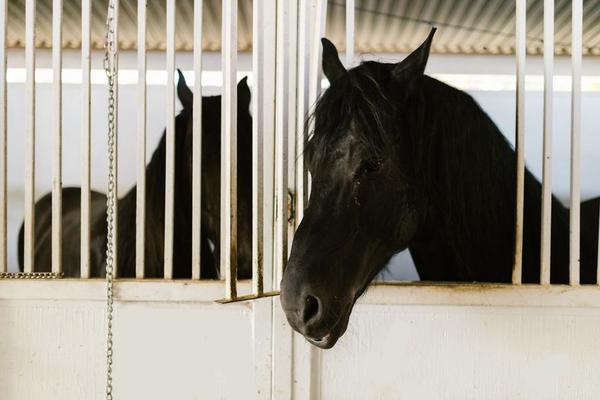
Horses spend hours breathing close to hay, bedding and the floor, where particles and ammonia from urine-soaked material collect. An open main doorway may ventilate the passage while solid partitions leave boxes stagnant. Walk into each stall and check conditions near the bedding and at horse-head height.
A sharp ammonia smell, stale air or persistent condensation suggests that cleaning, airflow or both need attention. Smell alone cannot reveal every airborne irritant: fine dust and mould spores may be present even when the stable smells clean. Repeated coughing, nasal discharge or breathing difficulty deserves veterinary assessment rather than assuming ventilation is the only cause.
Give Fresh Air an Entry Point and an Exit
How natural stable airflow works
Natural ventilation uses wind and the tendency of warmer air to rise. Openings along the sides or eaves admit replacement air, while higher outlets, such as a properly designed ridge vent, allow warmer, moisture-laden air to escape. One open window does not guarantee that fresh air reaches every stall.
Good stable ventilation design keeps those routes clear. High-level openings and open grille sections above partitions can help air circulate between boxes and the main space. Openings must be safely positioned, protected against weather where needed and designed so horses cannot reach sharp edges.
Why winter does not mean sealing everything
Closing every vent to keep a barn warm traps humidity and contaminants. Horses generally cope better with appropriately managed cool conditions than with stale, damp air, although age, health, coat and weather influence comfort. Maintain background air exchange during cold spells and prevent strong cold air blowing directly on resting horses.
In hot weather, larger openings may improve air movement and release heat. Fans can help, but a fan circulating the same dusty air is not a substitute for bringing fresh air in and exhausting polluted air.
Stop Dust Where It Starts
Horse stable dust comes from more than sweeping. Dry hay, bedding, grooming, feed handling and movement over dirty surfaces all release particles. Organic material can irritate sensitive airways, particularly in horses with equine asthma. Ventilation dilutes airborne dust, but reducing its source matters just as much.
Choose good-quality, low-dust bedding with enough absorbency for the stall. Remove wet patches promptly, and reject mouldy or visibly dusty forage. Keep hay and loose bedding storage away from occupied stalls where practical. A guide to low-dust horse bedding can help compare materials.
Routine timing matters. Turn horses out before mucking out, sweeping or topping up bedding, then give suspended particles time to disperse before bringing them back. Avoid leaf blowers in occupied stables: they can turn settled dirt into a cloud at breathing level. Use low-dust sweeping methods or an appropriate vacuum instead.
Manage Moisture Before It Becomes a Building Problem
Stable moisture control begins with urine, spilt water, wet rugs and rain entering through doors or damaged roofing. Horses also release water vapour as they breathe. Without adequate air exchange, humid air condenses on cooler walls, windows and roof surfaces, encouraging mould and damaging timber or fittings.
Check drinkers for leaks, keep drains working and make sure floors do not hold persistent wet patches. Remove soaked bedding rather than repeatedly covering it with dry material. If a roof drips on cold mornings, investigate condensation and insulation as well as leaks; these problems can look similar.
Opening doors may briefly clear humid air, but a lasting solution needs continuous, distributed ventilation. If the building repeatedly develops wet ceilings or mould despite careful cleaning, consult a qualified stable designer or ventilation specialist rather than guessing vent sizes.
A Five-Minute Stable Air Check
Try a walk-through after horses have been inside overnight, when problems may be easier to detect. Start at the furthest box, not the doorway. Notice ammonia near the bedding, damp walls, visible dust around hay and noticeably still air. Then examine the route from inlet to outlet, including vents blocked by equipment.
Repeat the check in different weather. A stall that feels fresh on a windy afternoon may be stagnant on a calm night. Record affected boxes, whether dampness follows rainfall and when coughing occurs. This can guide cleaning changes, a professional review or a conversation with your vet.
Air management works alongside a consistent daily stable mucking-out routine and an awareness of horse respiratory warning signs. Neither better ventilation nor cleaner bedding replaces veterinary care when symptoms persist.
When Are Fans or Building Changes Worth Considering?
Large or subdivided barns may have pockets that natural airflow barely reaches. Properly planned mechanical ventilation can provide predictable air exchange, provided inlets are distributed well and fans exhaust contaminated air rather than stirring it. Electrical equipment needs horse-safe placement, guarding and professional installation.
Identify the weak point before spending money. More airflow in the aisle will not fix a sealed box, and a new fan will not solve soaked bedding. A targeted assessment reveals whether the priority is openings, housekeeping, drainage or a combination.
Frequently Asked Questions
Should a horse stable be ventilated in winter?
Yes. Fresh air is needed year-round to remove moisture and airborne contaminants. Keep suitable ventilation openings working while protecting horses from direct, chilling draughts and adverse weather.
Do stable windows provide enough ventilation?
Not necessarily. Windows help only if their placement and the available outlets allow air through occupied stalls. Check inside each box rather than judging conditions by the aisle.
What helps reduce dust in a horse stable?
Use low-dust bedding and good-quality forage, store dusty materials away from horses, and avoid sweeping or grooming in occupied areas. Combine those steps with fresh-air exchange.
Why does my stable roof drip in cold weather?
Warm, moist stable air may condense on cold roofing. Check for leaks, improve moisture removal and have the roof’s insulation and ventilation assessed if the problem continues.
Make Fresh Air Part of Daily Stable Care
Effective horse stable ventilation is rarely one dramatic upgrade. It comes from clear airflow paths, sensible bedding and forage choices, prompt wet-spot removal and regular checks where horses breathe. When the air feels fresh in every box, not just at the entrance, you have a stronger foundation for a cleaner, more comfortable environment.